

Pettavaithalai Madhyarjuneshwarar Temple: History & Fertility Blessings
Pettavaithalai Madhyarjuneshwarar & Balambikai Temple: The Divine Shrine for Healing, Fertility & Inner Peace
Introduction
India’s ancient temples are far more than places of worship. They are powerful spiritual centers established by enlightened sages whose divine vision continues to bless humanity. These sacred shrines are believed to remove worldly suffering, grant prosperity, and ultimately guide devotees toward spiritual liberation.
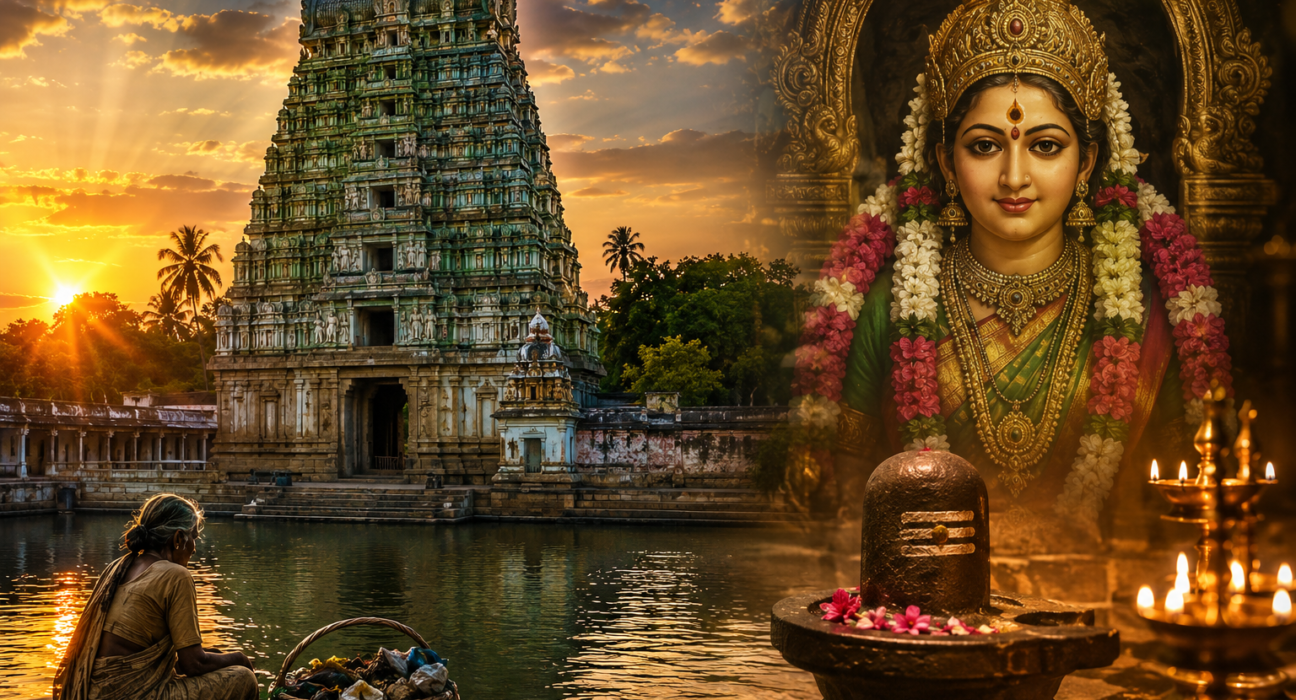
Among the many remarkable Shiva temples of Tamil Nadu, one stands apart for its unique blessings upon women suffering from reproductive disorders, menstrual problems, infertility, and pregnancy-related challenges—the Sri Madhyarjuneshwarar and Sri Balambikai Temple at Pettavaithalai, near Tiruchirappalli.
For centuries, countless devotees have visited this temple seeking divine healing when conventional medicine offered little hope.
A Temple Where the Divine Mother Heals
The womb is the sacred place where every human life begins.
Recognizing this divine mystery, Hindu tradition even refers to the sanctum sanctorum of a temple as the Garbhagriha—the “womb chamber.”
Just as the womb nurtures life, the Divine Mother nurtures creation itself.
At Pettavaithalai, it is Goddess Sri Balambikai who is revered as the compassionate healer of women’s health.
Devotees believe she grants relief from:
- Infertility
- Uterine disorders
- Menstrual irregularities
- Pregnancy complications
- Hormonal imbalances
- Delayed conception
Women from across Tamil Nadu continue to visit this sacred temple with unwavering faith, seeking the Goddess’s blessings for motherhood and good health.
The History of Pettavaithalai Temple
The temple was constructed by Kulothunga Chola III (1178–1218 CE), a descendant of the great Rajaraja Chola, the emperor who built the Brihadeeswarar Temple in Thanjavur.
The king named the presiding deity Sri Madhyarjuneshwarar, inspired by the famous Shiva temple at Thiruvidaimarudur, where the same form of Lord Shiva is worshipped.
The name “Madhyarjunam” literally means “the central Arjuna shrine.”
According to tradition, the temple was situated between:
- Mallikarjuna Temple at Srisailam in the north
- Thirupudaimarudur in the south
making it the “middle Arjuna shrine.”
The Story Behind the Temple’s Construction
King Kulothunga III was said to have suffered from the dreaded Brahmahatya Dosha, one of the gravest karmic afflictions in Hindu tradition.
Seeking relief, he prayed earnestly at Thiruvidaimarudur.
One day, he heard a divine celestial voice (Asariri):
“Create a river. Build a Shiva temple upon its banks. Worship there, and your sins shall be removed.”
Following this divine command, the king excavated a canal branching from the River Kaveri.
This canal later became the famous Uyyakondan Channel.
On its southern bank, he constructed the magnificent temple of Sri Madhyarjuneshwarar.
Tradition states that after completing the temple:
- His Brahmahatya Dosha disappeared.
- He was blessed with a long-awaited child.
An Island Temple Between Two Waters
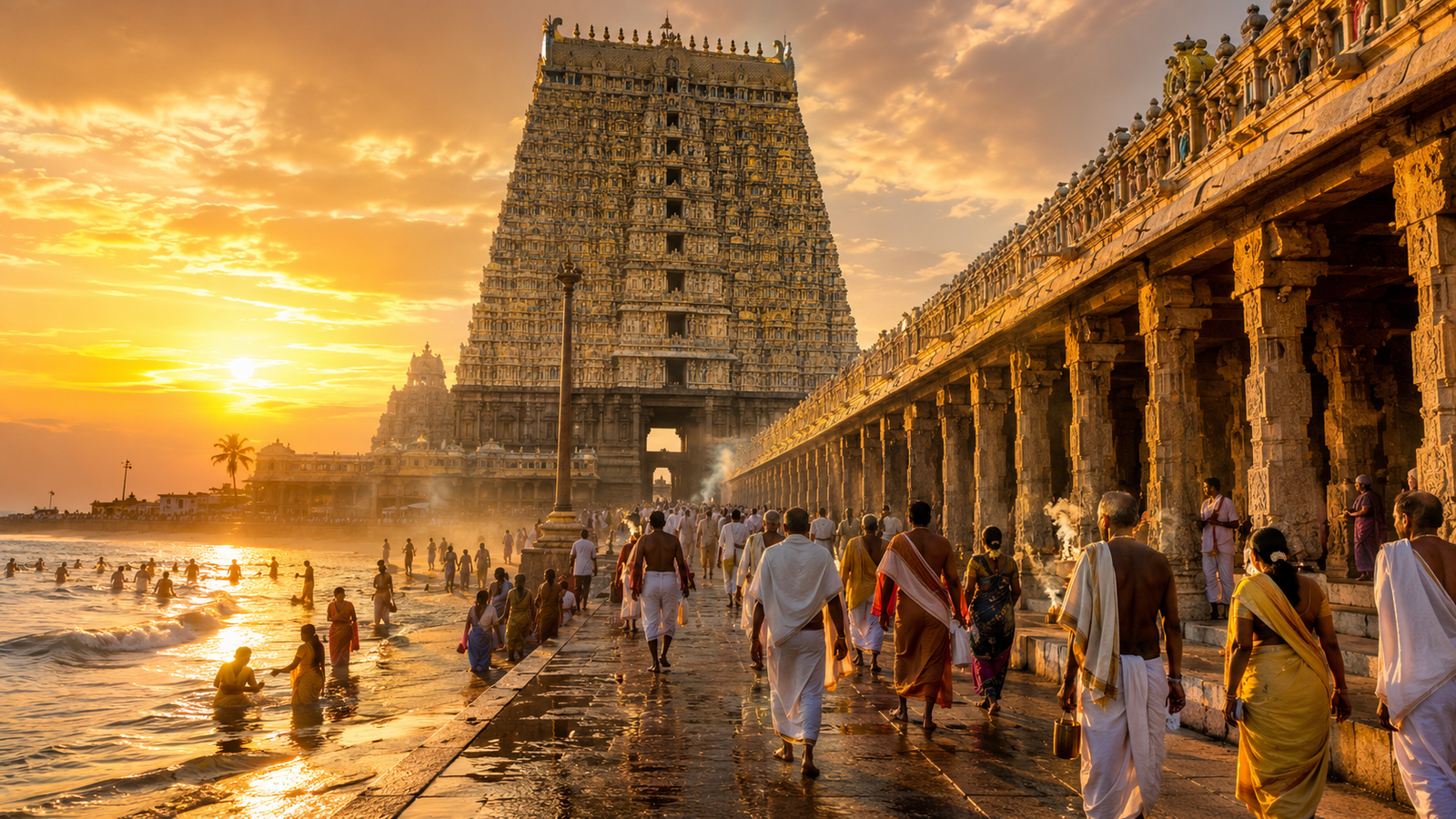
The temple enjoys a rare geographical setting.
It is surrounded by:
- River Kaveri on one side
- Uyyakondan Canal on the other
making it a natural island temple.
Even during the hottest summer months, devotees often experience an unusual coolness throughout the temple complex.
During the monsoon season, underground spring water naturally rises around the sanctum, giving Lord Madhyarjuneshwarar the appearance of Jalakandeswarar, the Lord surrounded by water.
The Miracle of Poovai Siddhar
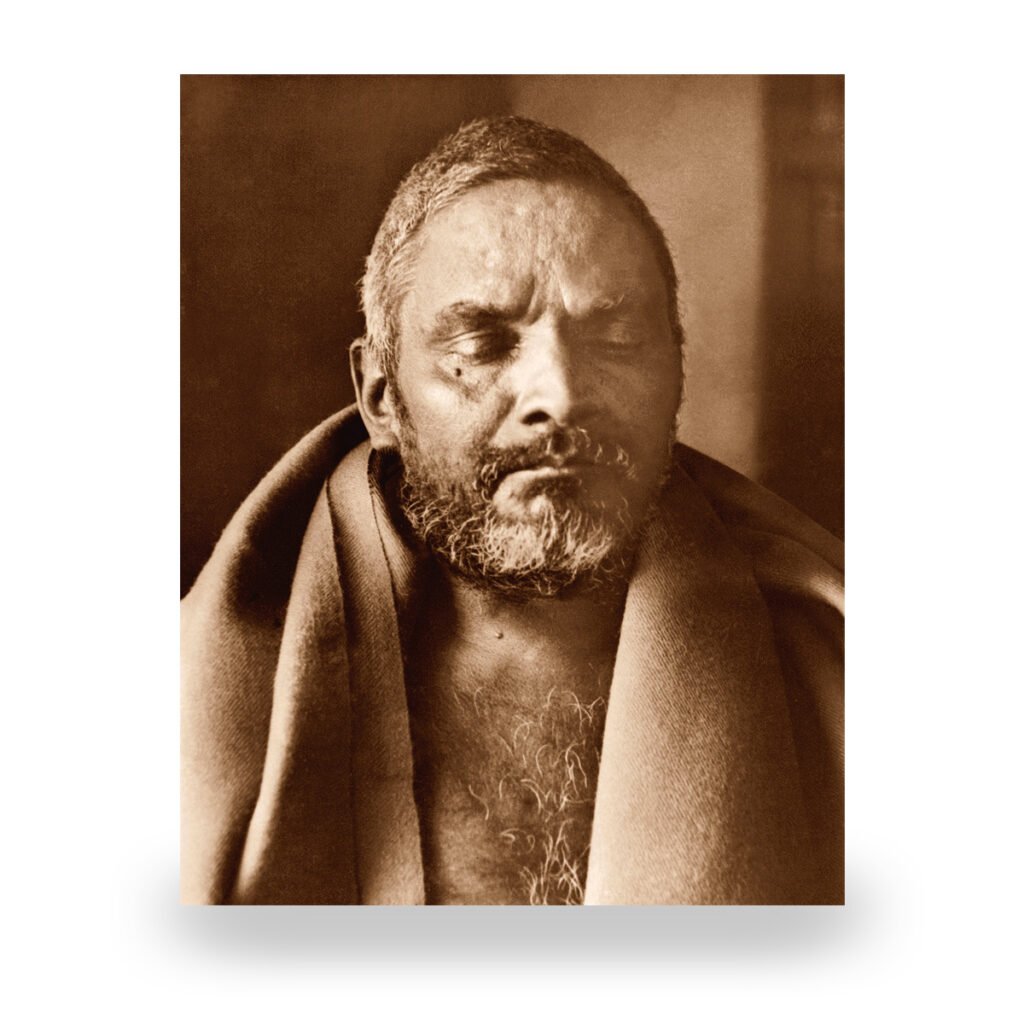
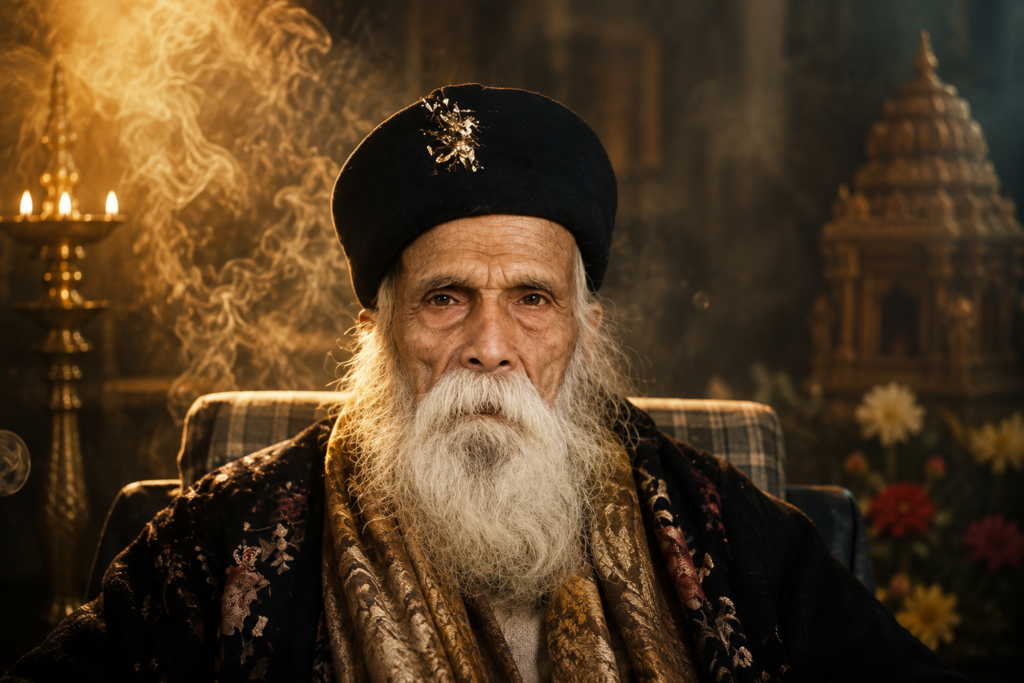
One of the temple’s greatest spiritual mysteries revolves around Poovai Siddhar, an enlightened saint associated with miraculous healing.
According to temple tradition, Poovai Siddhar treated women suffering from severe menstrual disorders using Siddha medicine.
However, witnessing the suffering of many women whose illnesses persisted, the Siddhar prayed intensely before Goddess Balambikai.
He pleaded:
“Mother, will You not relieve the suffering of these women?”
Moved by his compassion, Goddess Balambikai is believed to have blessed the temple with extraordinary healing powers.
Since then, devotees believe that women who pray sincerely at this temple receive relief from:
- Menstrual disorders
- Uterine diseases
- Fertility issues
- Childlessness
- Pregnancy complications
The Hidden Presence of Poovai Siddhar
Although the temple has existed for centuries, a remarkable discovery occurred only about two decades ago.
Ancient palm-leaf manuscripts revealed that Poovai Siddhar still spiritually resides within one of the stone pillars inside the temple.
This extraordinary revelation transformed the way devotees worship here.
Today, thousands believe the Siddhar continues to intercede with Goddess Balambikai on behalf of devotees.
A Unique Prayer Ritual
Unlike most temples, devotees perform a deeply personal ritual here.
Women seeking relief write their prayers on a small piece of paper.
Typical prayers include:
- Marriage
- Pregnancy
- Safe childbirth
- Fertility
- Health
- Family harmony
The prayer note is tied to the sacred pillar where Poovai Siddhar is believed to reside.
Temple tradition says the Siddhar presents every devotee’s prayer directly to Goddess Balambikai.
The 11-Week Healing Worship
After offering prayers at the temple, devotees receive a sacred image of the deity.
For the next 11 consecutive Fridays, they perform a simple home worship:
- Observe a Friday fast.
- Place a tumbler of milk before the deity’s image.
- Chant the sacred healing mantra 11 times.
- Mix a little sacred Vibhuti into the milk.
- Drink it with devotion.
Even if a week is missed, the worship can continue the following Friday.
Temple tradition assures that sincere devotion brings divine grace.
Healing Mantra
Balambikesa Vaidhyesa Bhavaroga Haredhisa
Japen Nama Trayam Nityam Maharoga Nivaranam
Devotees chant this mantra for relief from chronic illnesses and reproductive disorders.
Brahmahatya Dosha Worship
Inside the temple mandapam stands a unique stone pillar bearing the image of Brahmahatya.
On every Amavasya (New Moon) evening, special worship is performed.
Devotees offer:
- Flowers
- Lamps
- Incense
It is believed this worship removes:
- Brahmahatya Dosha
- Ancestral karmas
- Mental disturbances
- Unknown obstacles
- Various planetary afflictions
Many devotees testify that this ritual brings peace, clarity, and prosperity.
Temple Architecture
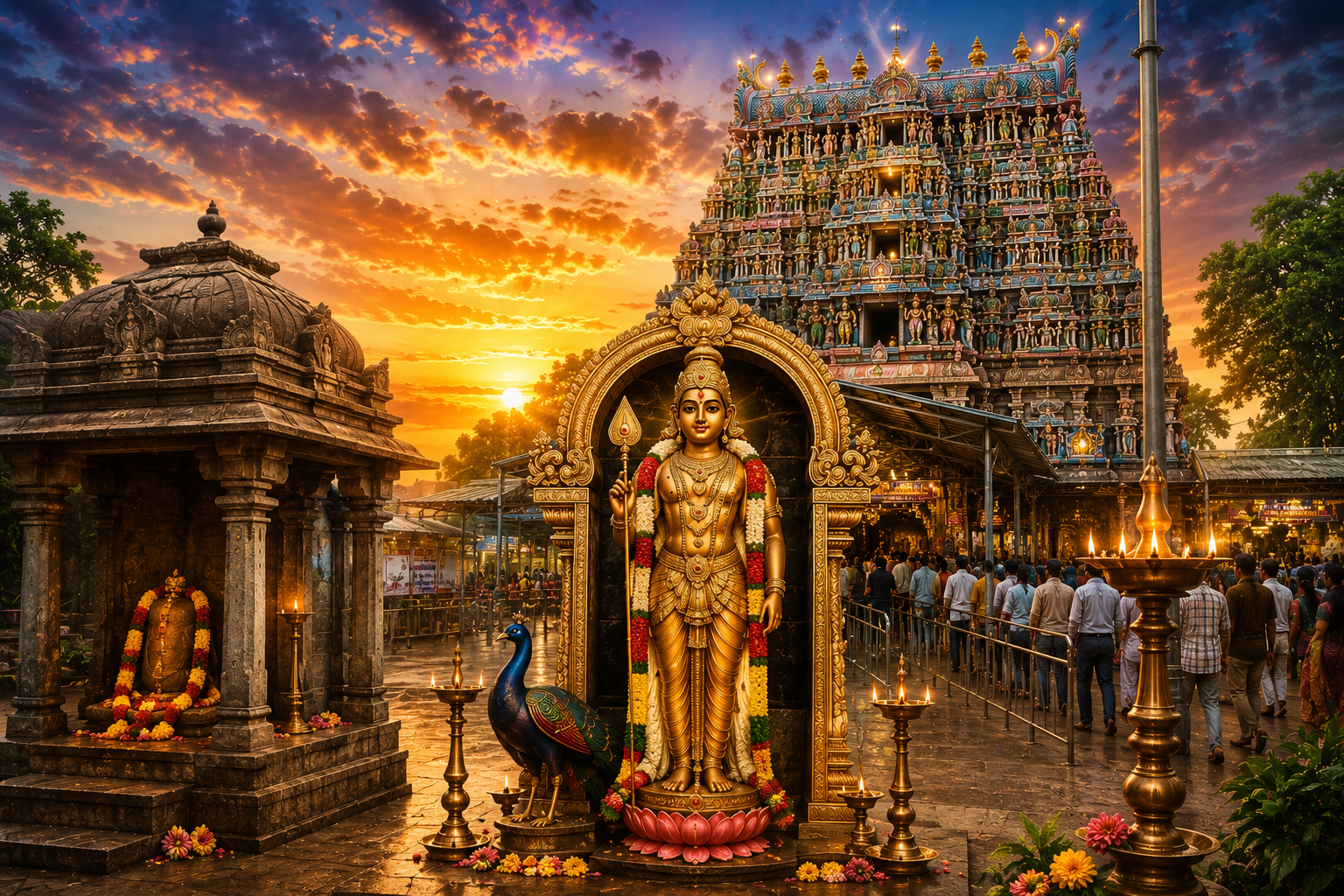
Though modest in size, the temple possesses remarkable spiritual beauty.
Highlights include:
- Five-tier Rajagopuram
- Two Prakarams
- Sri Narthana Vinayagar
- Kanni Moola Ganapathi
- Dakshinamurthy
- Lord Murugan
- Gajalakshmi
- Chandikeswarar
- Goddess Durga
- Bhairavar
Several Chola-period inscriptions also survive within the temple.
One inscription records another sacred name of Lord Shiva here:
Marthandeswarar
Temple Timings
Morning: 6:45 AM – 12:30 PM
Evening: 4:00 PM – 8:00 PM
Temple Location
Sri Balambikai Sametha Sri Madhyarjuneshwarar Temple
Pettavaithalai, Tiruchirappalli District, Tamil Nadu
Distance:
- 25 km from Tiruchirappalli
- 51 km from Karur
Visitors can reach the temple by:
- Bus to Pettavaithalai Bus Stand (approximately 1 km from the temple)
- Auto-rickshaw from the bus stand
- Train via Pettavaithalai Railway Station on the Tiruchirappalli–Erode railway line
Conclusion
Sri Balambikai Sametha Madhyarjuneshwarar Temple is not merely a centuries-old Chola monument—it is a living center of faith, healing, and divine grace.
Whether one seeks relief from infertility, reproductive health challenges, mental distress, or karmic burdens, generations of devotees believe that sincere prayers offered here are answered through the compassionate blessings of Goddess Balambikai and the continued spiritual presence of Poovai Siddhar.
For those seeking hope where medicine ends, this sacred temple remains a beacon of faith, healing, and divine motherhood in the heart of Tamil Nadu.