


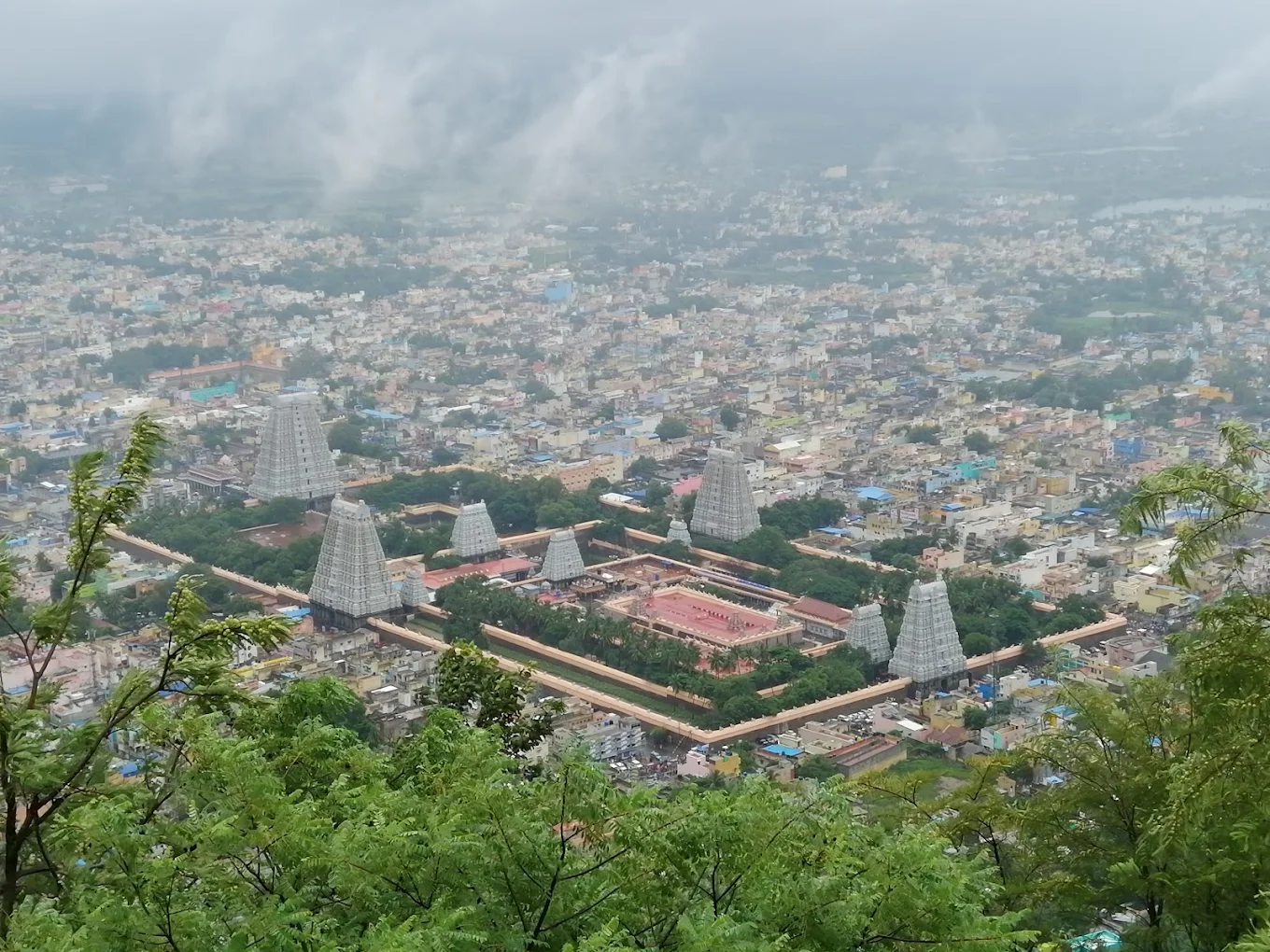
How to Do Thiruvannamalai Girivalam – A Complete Step-by-Step Guide for First-Time Pilgrims
Introduction: Every month, on the full moon (Pournami) day, millions of devotees undertake the sacred Girivalam around the holy Arunachala Hill in Thiruvannamalai. Whether through newspapers, television, or social media, most of us have seen images of this remarkable spiritual pilgrimage. Watching those scenes often awakens a heartfelt desire:
"One day, I too must perform the sacred Girivalam at Thiruvannamalai."
Along with that desire, however, come many questions.
Why should we perform Girivalam?
Where should the pilgrimage begin, and where should it end?
What are the eight Ashta Lingams found along the Girivalam path?
Is it acceptable to wear footwear during Girivalam?
Is it better to perform Girivalam during the day or at night?
Can it be done alone, or is it better to travel in a group?
Will I be able to complete the entire 14-kilometre walk?
What should first-time pilgrims know before beginning the journey?
These are perfectly natural questions. Almost everyone who plans to visit Thiruvannamalai for the first time experiences the same doubts.
Before my own first Girivalam, I had many of these very questions. The experiences shared by friends, information gathered from books, websites, and various spiritual sources helped me prepare for the pilgrimage. Ultimately, by the grace of Lord Arunachaleswarar, my first Girivalam became a truly memorable and spiritually fulfilling experience.
Based on that experience, along with information preserved through various spiritual traditions, this article has been written as a complete guide for anyone planning to undertake Thiruvannamalai Girivalam for the first time.
In this guide, we will explore the history of Girivalam, its spiritual significance, the best time to perform it, how to begin the pilgrimage, the important temples to visit along the route, the significance of the Ashta Lingams, what to carry, and many practical tips that every first-time pilgrim should know.

The History of Thiruvannamalai Girivalam
Thiruvannamalai Girivalam and the Karthigai Maha Deepam festival are deeply connected. The origin of this sacred pilgrimage is linked to an important episode described in the Shiva Purana.
Once, Lord Shiva was immersed in deep meditation on Mount Kailash. During this time, Goddess Parvati playfully covered both of His eyes with her hands.
Since the eyes of Lord Shiva are believed to symbolize the Sun and the Moon, the entire universe was instantly plunged into darkness.
As a result, all living beings experienced suffering.To atone for this act, Goddess Parvati descended to Earth and performed intense penance as Goddess Kamakshi on the banks of the Kampa River in Kanchipuram.
During her penance, the Kampa River flooded and threatened to wash away the Shiva Lingam she was worshipping. According to the Puranas, Goddess Parvati embraced the Lingam tightly against her chest to protect it. Moved by her unwavering devotion, Lord Shiva appeared before her.
At that moment, Goddess Parvati prayed for a single blessing—that she should never again be separated from Lord Shiva and that she be granted a permanent place on His left side.
Lord Shiva then instructed her:"Go to Thiruvannamalai and perform penance there."
Accepting His divine command, Goddess Parvati travelled to Thiruvannamalai and undertook severe penance.While she was performing her austerities, on the sacred day when the Karthigai Full Moon (Pournami) coincided with the Krittika star, an infinite Divine Light appeared at the summit of Arunachala Hill.Tradition says that this Divine Light instructed the Goddess to circumambulate the sacred hill by keeping it on her left side.
With complete devotion, Goddess Parvati performed the sacred circumambulation of Arunachala. At the completion of the Girivalam, Lord Shiva appeared before her, granted her the left half of His divine form, and manifested as Ardhanarishvara, the divine union of Shiva and Shakti.
It is traditionally believed that the Ner Annamalai Temple, located along today's Girivalam path, is associated with this divine event.Every year, the Karthigai Maha Deepam is lit in remembrance of this sacred occurrence.
Likewise, the tradition of performing Girivalam around Arunachala Hill—revered as the very manifestation of Lord Shiva—originated from this divine episode.Girivalam is not merely a long walk around a hill.It is a sacred act of Pradakshina performed with complete devotion while keeping the holy feet of Lord Shiva in one's heart.
The body may be walking around the mountain, but in reality, the mind, thoughts, and ego are all journeying toward the Divine.That is the true essence of Thiruvannamalai Girivalam.
Who Can Perform Thiruvannamalai Girivalam?
Thiruvannamalai Girivalam is a sacred spiritual practice that welcomes everyone, regardless of age, gender, or social background.
Anyone with sincere devotion and a reasonable level of physical fitness can undertake this holy pilgrimage.
Even those visiting Thiruvannamalai for the very first time can perform Girivalam without hesitation. Although a distance of 14 kilometres may initially seem daunting, most people can comfortably complete the journey by walking at a steady, unhurried pace.Girivalam is not a journey that should be rushed.
Instead, it should be viewed as a spiritual discipline, where every step is taken with remembrance of the Divine and with complete devotion.
Should You Visit Arunachaleswarar Temple Before or After Girivalam?
This is perhaps the most common question among devotees visiting Thiruvannamalai.
"Should I first have darshan of Lord Arunachaleswarar inside the temple and then begin Girivalam, or should I complete Girivalam first and visit the temple afterward?"
There is no single answer that applies to everyone.
The decision largely depends on the time at which you plan to perform Girivalam.If you intend to undertake Girivalam during the daytime, it is generally considered best to first have darshan of Lord Arunachaleswarar and Goddess Unnamulai Amman, and then begin your pilgrimage.
However, if you plan to start Girivalam in the evening and continue walking until midnight or the early hours of the morning, you may choose to have darshan either before or after the pilgrimage, depending on the temple's opening hours.
Rather than treating temple darshan and Girivalam as separate or competing activities, it is best to plan both according to your travel schedule and convenience.
Is It Better to Perform Girivalam During the Day or at Night?
Many people believe that Girivalam should only be performed at night. In reality, there is no scriptural rule that makes nighttime the only appropriate time.You may perform Girivalam during the day or at night, depending on your physical condition, personal comfort, and travel plans.
Performing Girivalam During the Day: If you are comfortable walking under the sun, are physically fit, and prefer to avoid the larger nighttime crowds, daytime Girivalam can be an excellent choice.Walking during the day also gives you more opportunities to peacefully visit the temples along the route and appreciate the unique significance of each sacred site without feeling rushed.
Performing Girivalam During the Evening or Night: Those who find it difficult to walk in the heat or are not accustomed to long-distance walking may prefer to begin Girivalam around 5:00 PM.The cooler night temperatures generally make the walk more comfortable.
Moreover, thousands of devotees perform Girivalam throughout the night every single day, so there is usually no reason for undue concern regarding safety.Along the entire Girivalam route, you will find police personnel, shops, restaurants, drinking water facilities, small temples, and fellow devotees. Because the path remains active throughout the night, you are unlikely to feel isolated.
Can You Wear Footwear During Girivalam?
This is another question that often causes confusion, especially among first-time pilgrims.
In earlier times, many devotees performed Girivalam barefoot.
However, the roads in those days were very different from today's paved highways and concrete walkways, which can become extremely hot during the day.In the present day, particularly for first-time pilgrims, it is wise to make a practical decision based on one's physical condition.
If you are not accustomed to walking long distances barefoot, you may begin to experience pain in your feet after just one or two kilometres. Completing the remaining distance can then become quite difficult.
For this reason, there is nothing wrong with wearing comfortable rubber sandals or walking shoes suitable for long-distance walking. Some devotees also choose to perform Girivalam wearing only a good pair of socks.
The purpose of Girivalam is not to subject the body to unnecessary hardship.Its true purpose is to complete the entire 14-kilometre pilgrimage with devotion and sincere remembrance of the Divine.The Lord does not first look at the footwear on our feet; He looks at the devotion within our hearts.
Temple Timings
Before visiting the Arunachaleswarar Temple, it is advisable to know the temple's opening hours.
Generally, devotees are allowed for darshan during the following timings:
Morning: 5:00 AM to 12:30 PM
Evening: 3:30 PM to 8:00 PM
If you enter the temple before 8:00 PM,
you can usually remain inside until the conclusion of the final Ardha Jama Pooja (night worship).
Planning your Girivalam around these temple timings will help you enjoy both temple darshan and the pilgrimage without unnecessary inconvenience.
Important Points for Those Beginning Girivalam in the Evening
Many devotees who begin Girivalam around 5:00 PM will have completed nearly half the route by approximately 8:30 PM.
After this time, some of the smaller temples along the Girivalam path may already be closed.Even if the sanctum of certain Ashta Lingam temples is closed, devotees can still stand outside and offer their prayers.
Since some of these Lingams are positioned facing specific directions, visiting during temple opening hours provides a more complete darshan experience.
Nevertheless, devotees believe that simply standing before these sacred places with sincere devotion and offering heartfelt prayers carries immense spiritual merit, even when the sanctum doors are closed.
Therefore, rather than worrying about whether every shrine is open, it is far more important to continue your Girivalam with a heart full of devotion, offering prayers at every sacred place along the way.
The Significance of the Ashta Lingams
One of the most important spiritual aspects of Thiruvannamalai Girivalam is the darshan of the Ashta Lingams situated along the Girivalam route.
These eight Shiva Lingams are not ordinary temples.
According to spiritual tradition, they were consecrated and worshipped by the Ashta Dikpalakas—the eight celestial guardians who protect the eight directions of the universe.For this reason, each Lingam is named after the guardian deity of its respective direction.
They are:
Indra Lingam – East
Agni Lingam – Southeast
Yama Lingam – South
Niruthi Lingam – Southwest
Varuna Lingam – West
Vayu Lingam – Northwest
Kubera Lingam – North
Eesanya Lingam – Northeast
These eight sacred Lingams are positioned around Arunachala Hill in an octagonal arrangement, with the hill serving as the spiritual center.For devotees performing Girivalam, visiting these Ashta Lingams is considered one of the most significant acts of worship during the pilgrimage.
Each Lingam represents not only a direction but also symbolizes different aspects of life and spiritual growth.However, Girivalam is much more than visiting the Ashta Lingams alone.
The entire Girivalam route is filled with sacred places, including Jeeva Samadhis of great saints, Shiva temples, Vinayaka temples, Siddhar shrines, Ashrams, and many other holy sites.
Some of the prominent places include:Ner Annamalai TempleAdi Annamalai TempleIdukku Pillaiyar Temple Sri RamanasramamYogi Ramsuratkumar Ashram Sri Seshadri Swamigal Jeeva Samadhi The sacred site where Saint Manikkavachakar sang the Thiruvempavai Jeeva Samadhis of several Siddhars
Altogether, there are more than thirty important spiritual sites along the Girivalam route.Therefore, Girivalam is not merely a walk around the hill—it is a sacred pilgrimage where every step offers an opportunity for spiritual reflection and divine experience.
Where Should You Begin and End Girivalam?
This is another common question among first-time pilgrims.
"Where should I begin Girivalam, and where should I conclude it?"
Although different traditions offer different viewpoints, there is one simple practice that is widely accepted.
Wherever you begin your Girivalam, that is where you should also complete it.If you begin after having darshan at the Arunachaleswarar Temple, it is generally considered ideal to start from the temple's Rajagopuram (main eastern tower) and return to the same point after completing the circumambulation.
If, however, you choose to begin from another sacred location—such as one of the Ashta Lingam temples, a Vinayaka shrine, or a Siddhar shrine—you may conclude your pilgrimage by returning to that very place.
Many devotees also consider it auspicious to begin Girivalam after offering prayers at a Vinayaka temple or a Siddhar shrine.
How Long Does It Take to Complete Girivalam?
The total length of the Thiruvannamalai Girivalam route is approximately 14 kilometres (8.7 miles).
Those who walk at a brisk pace can complete the route in two to three hours.
However, Girivalam is not a race.If you stop to worship at each temple, walk peacefully, and remain immersed in prayer and remembrance of the Divine, the pilgrimage generally takes five to six hours, which is considered perfectly normal.
Certain spiritual texts even advise that Girivalam should be performed with the same care and serenity as a pregnant woman walking with utmost attentiveness.
In other words, the focus should not be on how quickly you complete the pilgrimage, but on how deeply you experience it.
An Ideal Girivalam Schedule
For those planning to perform Girivalam during the evening, the following schedule is both practical and comfortable.
Arrive at the Arunachaleswarar Temple around 3:30 PM.
Have peaceful darshan of Lord Arunachaleswarar, Goddess Unnamulai Amman, and the other shrines within the temple complex.
Begin your Girivalam from the Rajagopuram at approximately 5:00 PM.
Walk at a relaxed pace while visiting the Ashta Lingams and the other important temples along the route.Return to the Rajagopuram between 12:30 AM and 1:00 AM, completing the sacred pilgrimage.
This is one of the most commonly followed schedules among experienced devotees
Is It Safe to Perform Girivalam at Night?
This is a natural concern for anyone visiting Thiruvannamalai for the first time.In reality, thousands of devotees perform Girivalam every night throughout the year.
Along the Girivalam route, you will find:
A continuous flow of fellow pilgrimsPolice securityLarge and small templesShopsRestaurantsDrinking water facilitiesPlaces where saints and sadhus resideBecause of these facilities and the constant presence of devotees, there is generally no need to worry about safety.
Clear signboards also guide pilgrims to the Ashta Lingams and other important temples. Since devotees are always walking both ahead of you and behind you, it is quite difficult to lose your way.
Therefore, first-time visitors need not worry about getting lost while performing Girivalam.
Should Girivalam Be Performed Only on Pournami?
This is one of the most frequently asked questions.
Because Karthigai Pournami and the Karthigai Maha Deepam festival are closely connected with the history of Thiruvannamalai, the number of devotees performing Girivalam on Full Moon days is exceptionally large.
However, this does not mean that Girivalam should be performed only on Pournami or Amavasya (New Moon).You may perform Girivalam on any day of the month, whenever it is convenient for you, with sincerity and devotion.
The Divine does not judge the day on which you come.According to spiritual tradition, it is the depth of one's devotion—not the date on the calendar—that truly matters.
Thiruvannamalai Girivalam – A Complete Step-by-Step Route Guide
We now arrive at the most important part of this guide.For first-time pilgrims, it is natural to wonder:
"Which temple comes first? Which sacred place comes next?
How do I know if I'm following the correct route?"
In reality, there is no need to worry.
The entire Girivalam route is well-marked with signboards, and thousands of devotees walk the path every day.
As a result, the chances of losing your way are extremely small.Nevertheless, understanding the significance of each sacred place before beginning your pilgrimage makes the entire experience far more meaningful.
Let us now begin the sacred journey, starting from the Rajagopuram of the Arunachaleswarar Temple and proceeding through the important shrines in the order pilgrims encounter them.
1. Indra Lingam
Within a few minutes of beginning your Girivalam from the Rajagopuram of the Arunachaleswarar Temple, you will arrive at the Indra Lingam, the first of the eight Ashta Lingams.
Dedicated to Lord Indra, the guardian deity of the eastern direction, this Lingam is regarded as the auspicious beginning of the sacred pilgrimage.
Many devotees pause here to calm their minds, offer their first prayers, and seek the blessings of Lord Shiva before continuing their journey.
2. Agni Lingam
Continuing from Indra Lingam,
you will soon reach the Agni Lingam.
This shrine is situated slightly away from the main Girivalam road, so first-time visitors should pay attention to the directional signboards.
Agni, the Divine Fire, symbolizes purity and transformation.Devotees believe that worshipping at Agni Lingam helps burn away negative thoughts and impurities while illuminating one's spiritual path with renewed clarity.
Agni Theertham
A short distance beyond Agni Lingam lies Agni Theertham, another sacred place of great spiritual importance.
According to traditional accounts, this is the holy site where Santhalinga Swamigal, the founding Guru of the Perur Adheenam, received Deeksha (spiritual initiation) from the great ascetic Adi Sivaprakasa Swamigal.
For those interested in the spiritual history of Tamil Saivism, this is a sacred place well worth visiting.
Sri Seshadri Swamigal Jeeva Samadhi
Continuing further along the route, you will arrive at the Jeeva Samadhi of Sri Seshadri Swamigal.
Sri Seshadri Swamigal occupies a unique and revered place in the spiritual history of Thiruvannamalai.
Even today, devotees regard his Jeeva Samadhi as a place filled with profound peace and powerful spiritual vibrations.
Anyone visiting Thiruvannamalai should make every effort to offer prayers at this sacred shrine
Mariamman Temple
Directly opposite the Jeeva Samadhi of Sri Seshadri Swamigal stands a Mariamman Temple.
Although modest in size, it is revered by devotees as a temple of immense divine power.
Dakshinamurthy Temple
Facing the Mariamman Temple is the Dakshinamurthy Temple.
Lord Dakshinamurthy is revered as the Supreme Guru and the embodiment of wisdom and spiritual knowledge.
Many devotees worship here before continuing their sacred pilgrimage.
Sri Ramanasramam
The next major spiritual destination along the route is Sri Ramanasramam.
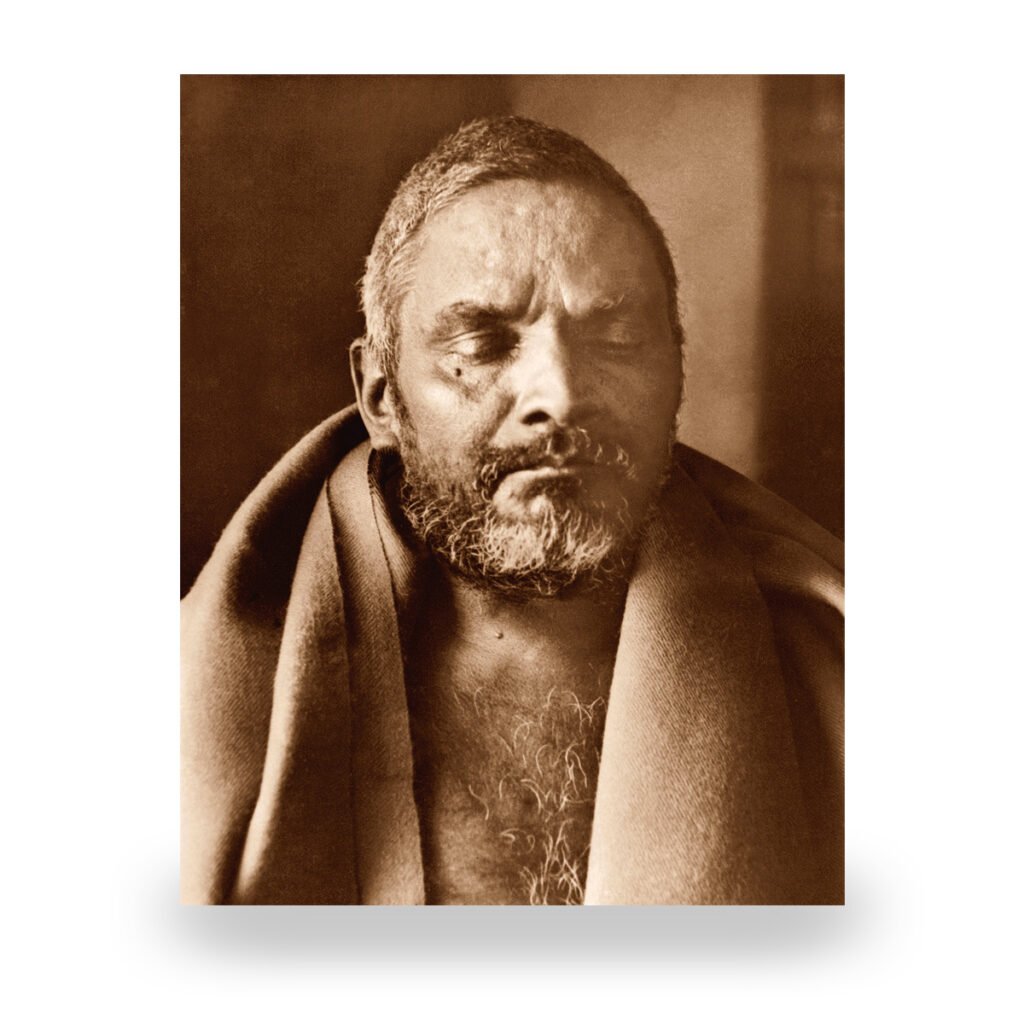
This world-renowned Ashram attracts thousands of spiritual seekers from every corner of the globe.
It continues to radiate the timeless spiritual presence and teachings of Bhagavan Sri Ramana Maharshi.
For pilgrims wishing to spend a few moments in silence or meditation, this Ashram offers an atmosphere of extraordinary peace
Yogi Ramsuratkumar Ashram
A short walk along the road opposite Ramanasramam brings you to the Yogi Ramsuratkumar Ashram.
Yogi Ramsuratkumar, who lovingly referred to himself simply as "This Beggar," is one of the most revered saints in the modern spiritual history of Thiruvannamalai.
Many devotees say that simply sitting quietly inside the Ashram for a few minutes fills the heart with an indescribable sense of peace and divine grace.
3. Yama Lingam
Type your Returning to the Girivalam path and continuing onward, you will reach the Yama Lingam, the third of the Ashta Lingams.
Dedicated to Yama Dharma Raja, the guardian deity of the southern direction, this sacred Lingam serves as a profound reminder of the impermanence of human life.
It encourages devotees to reflect upon the deeper purpose of existence and the eternal nature of the soul.here
Aiswaryeswarar Temple
Type your Beyond Yama Lingam, on the left side of the road, stands the Aiswaryeswarar Temple.
As its name suggests, devotees worship here seeking divine blessings for prosperity, abundance, and overall well-being.here
Sage Durvasa Temple
Continuing further, you will come across the shrine dedicated to Sage Durvasa.
Known for his extraordinary spiritual power and intense austerities, Sage Durvasa occupies a respected place in Hindu tradition.
This shrine is considered an important stop for those interested in India's rich spiritual heritage.
Nandi Facing Arunachala
Soon afterward, you will encounter a majestic Nandi seated directly facing the sacred Arunachala Hill.
The serene sight of Nandi gazing unwaveringly toward Arunachala naturally inspires devotees to turn their own minds toward the Divine.
Thirupadam (The Sacred Footprints)
Along the Girivalam route are sacred places traditionally revered as the Thirupadam, or the divine footprints of Lord Shiva.
Many devotees pause here briefly, silently meditate upon the Lord, and continue their pilgrimage with renewed devotion.
4. Niruthi Lingam
The next Ashta Lingam along the route is the Niruthi Lingam, dedicated to Niruthi, the guardian deity of the southwest direction.
Devotees believe that worshipping at this shrine helps remove obstacles, protect against suffering, and grant strength to overcome life's difficulties.
Ner Annamalai Temple
Continuing beyond Niruthi Lingam, you will arrive at one of the most significant temples along the entire Girivalam route—the Ner Annamalai Temple.
According to spiritual tradition, it was here that Lord Shiva appeared before Goddess Parvati after she completed her circumambulation of Arunachala Hill.
He blessed Her by granting His left half, manifesting as Ardhanarishvara, the divine union of Shiva and Shakti.
For this reason, the Ner Annamalai Temple is regarded as the sacred place where the tradition of Girivalam itself attained its spiritual fulfillment.
Tradition also holds that on Tamil New Year's Day and on a specific day during the Tamil month of Aavani, the rays of the rising sun fall directly upon the presiding deity—an extraordinary and sacred phenomenon cherished by devotees.
Because of its profound spiritual significance, the Ner Annamalai Temple is considered one of the most important temples that every pilgrim should visit while performing Thiruvannamalai Girivalam.
5. Gautama Maharishi Temple
Continuing beyond the Ner Annamalai Temple, you will arrive at the Gautama Maharishi Temple.
Gautama Maharishi, one of the revered Sapta Rishis (Seven Great Sages), is closely associated with several spiritual traditions connected to Thiruvannamalai. Surrounded by a peaceful atmosphere, this temple offers pilgrims an ideal place to pause, meditate, and absorb the spiritual energy of the sacred hill.
Surya Lingam
After visiting the Gautama Maharishi Temple, you will come to the Surya Lingam.
Although it is not one of the Ashta Lingams, it is considered one of the important Shiva Lingams along the Girivalam route.
Many devotees worship here in remembrance of Surya Bhagavan (the Sun God), who is revered as the source of light, energy, and life itself
6. Varuna Lingam
The next Ashta Lingam on the pilgrimage is the Varuna Lingam, the fifth among the eight sacred Lingams.
This shrine is believed to have been consecrated and worshipped by Varuna, the guardian deity of the western direction.
Varuna Lingam symbolizes water, rainfall, abundance, and the harmonious balance of nature.Many devotees spend a few peaceful moments here chanting the Lord's name, finding the serene surroundings especially conducive to prayer and meditation.
Adi Annamalai Temple
A short distance beyond Varuna Lingam, you will find the Adi Annamalai Temple, situated on the right side of the main Girivalam road.
This is one of the most important temples that every pilgrim visiting Thiruvannamalai should make an effort to visit.Nestled at the foothills of Arunachala, this ancient Shiva temple has been a place of worship for centuries.
Taking a short detour during Girivalam to offer prayers at this sacred temple is considered highly auspicious
The Sacred Site Where Saint Manikkavachakar Sang the Thiruvempavai
Continuing beyond the Adi Annamalai Temple, you will reach a sacred place that is unfamiliar to many pilgrims but holds immense spiritual significance.
According to spiritual tradition, it was here that the great Tamil saint Manikkavachakar, overwhelmed by divine grace, sang the immortal Thiruvempavai hymns in praise of Lord Shiva.
This place is also revered as the sacred spot blessed by the holy footsteps of Saint Manikkavachakar.It occupies a special place in the history of Tamil Saivite literature, and visiting this shrine greatly enriches the spiritual experience of Girivalam.
7. Vayu Lingam
The next Ashta Lingam you will encounter is the Vayu Lingam, the sixth among the eight sacred Lingams.
Dedicated to Vayu, the guardian deity of the northwest direction, this shrine symbolizes Prana, the life-giving breath that sustains all living beings.
Many devotees spend a few quiet moments here practicing gentle breathing while chanting "Om Namah Shivaya," finding that it brings deep inner peace and calmness.
Chandra Lingam
Near the Vayu Lingam stands the Chandra Lingam.
Although it is not one of the Ashta Lingams, it is regarded as another important Shiva shrine along the Girivalam route.
Since the Moon is traditionally associated with the human mind, many devotees pray here for mental peace, emotional balance, and clarity of thought.
Nandi Bhagavan
A short distance beyond Chandra Lingam, you will see another majestic Nandi Bhagavan seated on the left side of the road.
The sight of Nandi gazing with unwavering devotion toward Arunachala serves as a beautiful reminder of complete surrender to the Divine.
8. Kubera Lingam
The next Ashta Lingam is the Kubera Lingam, dedicated to Kubera, the guardian deity of the northern direction.
As the seventh of the Ashta Lingams, this shrine reminds devotees that true wealth extends far beyond material possessions.
Good health, a loving family, peace of mind, spiritual wisdom, and the grace of the Divine are the greatest forms of prosperity.
Therefore, many devotees pray here not only for material abundance but also for spiritual richness and inner fulfillment.
Idukku Pillaiyar Temple
Continuing beyond Kubera Lingam, you will arrive at the famous Idukku Pillaiyar Temple.
This is one of the most popular shrines visited by devotees performing Girivalam.
Pilgrims offer prayers to Lord Ganesha, seeking the removal of obstacles and praying for a smooth and successful journey through life.
9. Eesanya Lingam
The final Ashta Lingam encountered during Girivalam is the Eesanya Lingam.
Dedicated to Eesanya, the guardian deity of the northeast direction, this sacred shrine symbolizes wisdom, spiritual awakening, and the grace of Lord Shiva.
It is here that the pilgrimage to all eight Ashta Lingams reaches its completion.
Many devotees offer heartfelt prayers, expressing gratitude for the successful completion of Girivalam and seeking lasting peace, wisdom, and divine blessings in their lives.
Completing the Girivalam
After offering prayers at the Eesanya Lingam, continue toward the Rajagopuram of the Arunachaleswarar Temple, returning to the same place from which you began your pilgrimage.
Upon reaching the temple, offer your final prayers to Lord Arunachaleswarar and bow with reverence before the sacred Arunachala Hill.
Completing Girivalam is not the end of a journey.Rather, it marks the beginning of a deeper spiritual relationship with the Divine and a renewed inner journey toward self-realization.
Important Tips to Remember Before Performing Girivalam
To ensure that your pilgrimage is comfortable, peaceful, and spiritually fulfilling, keep the following practical suggestions in mind:
Avoid carrying heavy bags or unnecessary belongings.
Carry only drinking water, any essential medicines, and a small amount of cash.
Flowers, lamps, and other offerings for worship are easily available near the temples along the route.
Drinking water, refreshments, and food are available at many locations throughout the Girivalam path.
If you are visiting during the rainy season, carry an umbrella or a raincoat.
Do not rush or attempt to complete the pilgrimage as quickly as possible.
Walk peacefully and be considerate of fellow devotees.
Help preserve the sanctity of the pilgrimage by keeping the route clean and avoiding the disposal of plastic waste.
Conclusion
Thiruvannamalai Girivalam is far more than a 14-kilometre walk.
It is a rare and sacred spiritual pilgrimage that allows devotees to experience devotion, patience, meditation, and unwavering faith in the Divine—all in a single journey.As you walk around the sacred Arunachala Hill,
silently chanting the Panchakshara Mantra, "Om Namah Shivaya," and regarding the hill itself as the living form of Lord Shiva, countless devotees have experienced an indescribable sense of inner peace and spiritual fulfillment.
If you are planning your first Girivalam, set aside unnecessary fear and hesitation.
Begin this sacred pilgrimage with a heart full of devotion, humility, and faith.May the infinite grace of Lord Arunachaleswarar bless your Girivalam with spiritual fulfillment, inner peace, divine protection, and an unforgettable experience that remains with you for a lifetime.
Om Arunachala Shiva!
Om Namah Shivaya!