

Tara Devi of Tarapith: The Eternal Mother Who Removes Fear and Grants Liberation
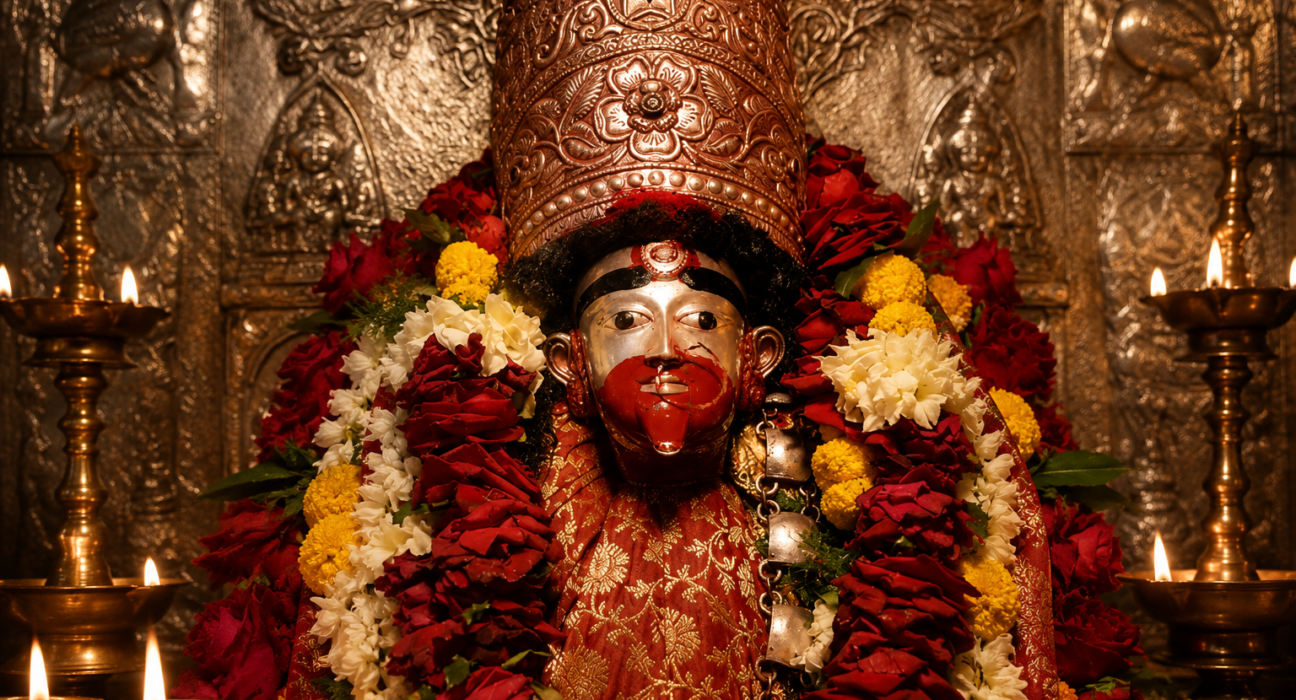
Tara Devi: The Eternal Mother Who Removes Fear and Leads the Soul to Liberation
Why Does the Human Heart Feel Empty Even When Life Seems Complete?
Many of us carry the same silent question deep within our hearts.
“Why does my life still feel incomplete?”
We may have wealth.
We may have a successful career.
We may be surrounded by family and friends.
Yet, an unexplained emptiness continues to linger within.
A void that neither success nor possessions can fill.
Who can heal a heart burdened by loneliness?
Who gives courage when fear overwhelms us?
Who comforts the soul when the world turns away?
For millions of spiritual seekers across centuries, the answer has been the same.
It is the compassionate embrace of Mother Tara.
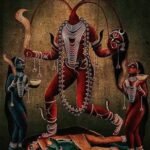
Unlike many well-known Hindu deities, Tara Devi remains one of the most mysterious and spiritually profound manifestations of the Divine Mother. Her worship spans Hindu Tantra, Shakta traditions, Vajrayana Buddhism, and ancient yogic lineages. To devotees, she is not merely a goddess—she is the eternal mother who rescues, protects, enlightens, and liberates.
But who is Tara Devi?
Why has her worship remained one of the deepest spiritual secrets of India?
And why is her grace especially relevant in today’s troubled world?
Let us journey into the timeless mystery of the Divine Mother Tara.
Tarapith – Where the Mother Still Lives
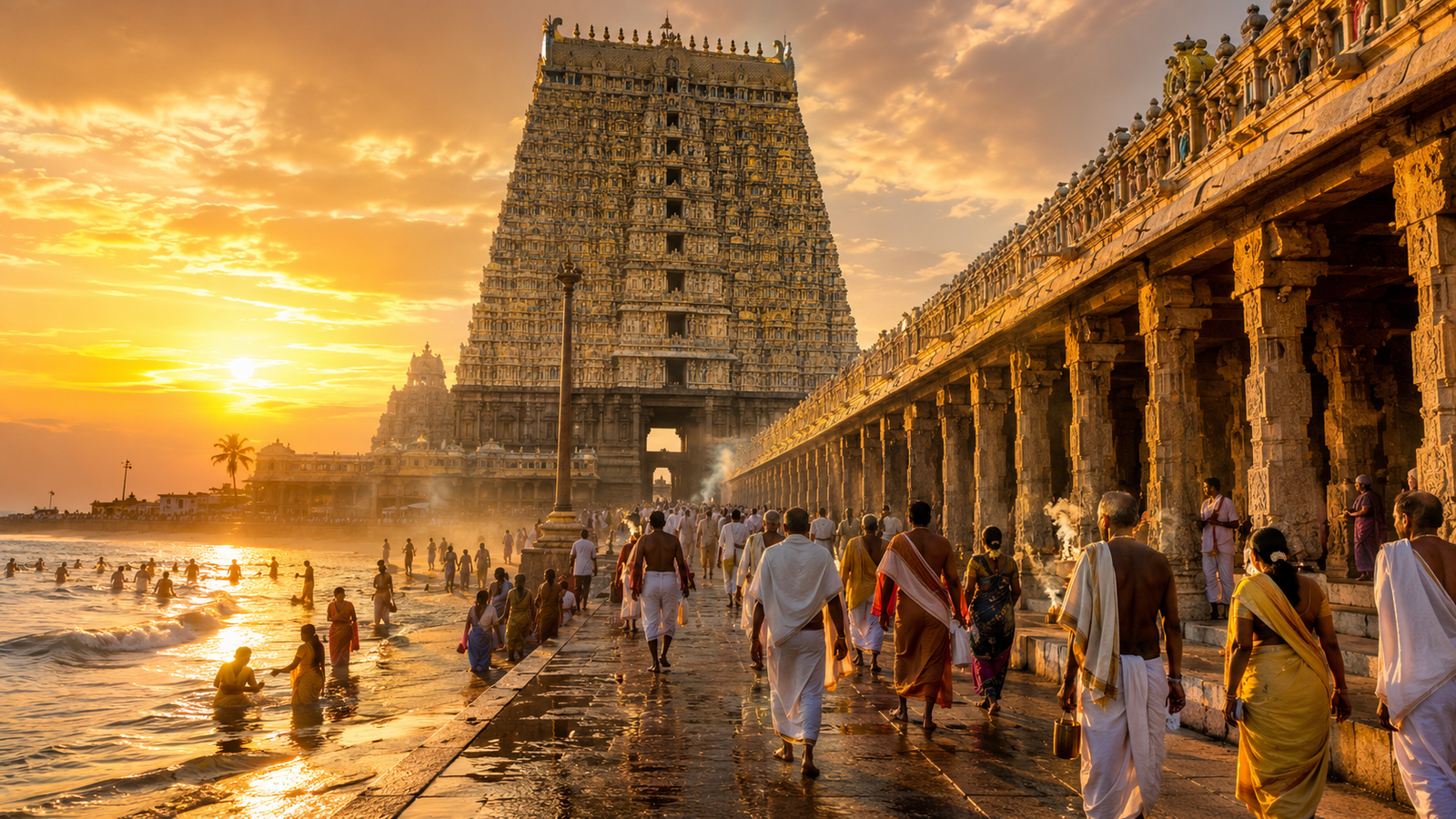
In the Birbhum district of West Bengal, near the town of Rampurhat, lies one of India’s most powerful centers of Shakti worship.
This sacred place is known as Tarapith.
At first glance, it appears to be a small temple town.
But for countless devotees, Tarapith is much more than a pilgrimage destination.
It is a living spiritual power center where the presence of Mother Tara is believed to be experienced even today.
Recognized as one of the revered Shakti Peethas, Tarapith has attracted saints, yogis, tantric practitioners, and seekers for centuries.
Unlike many temples visited merely for blessings, Tarapith has long been regarded as a place where sincere spiritual practice can transform one’s inner life.
Here, devotion, meditation, and tantric sadhana have flourished for generations.
The Goddess Revered by Great Masters
Throughout history, many enlightened masters are traditionally associated with the worship of Tara.
The Nath yogis, including Matsyendranath and Gorakshanath, are linked in spiritual traditions with tantric practices connected to the Divine Mother.
The great mystic Sri Ramakrishna Paramahamsa experienced the Divine Mother as a living reality and regarded Her as his own mother. While he is most closely associated with Goddess Kali, his spiritual experiences deeply influenced the broader Shakta tradition in which Tara also holds an important place.
Ancient texts such as the Saundarya Lahari, traditionally attributed to Adi Shankaracharya, celebrate the glory of the Divine Mother, though they do not focus exclusively on Tara. Likewise, later traditions associate Sage Agastya with various forms of Shakta worship.
These traditions together reflect the profound reverence that India’s spiritual heritage has shown toward the Divine Feminine in all her forms.
Bamakhepa – The Child of Mother Tara
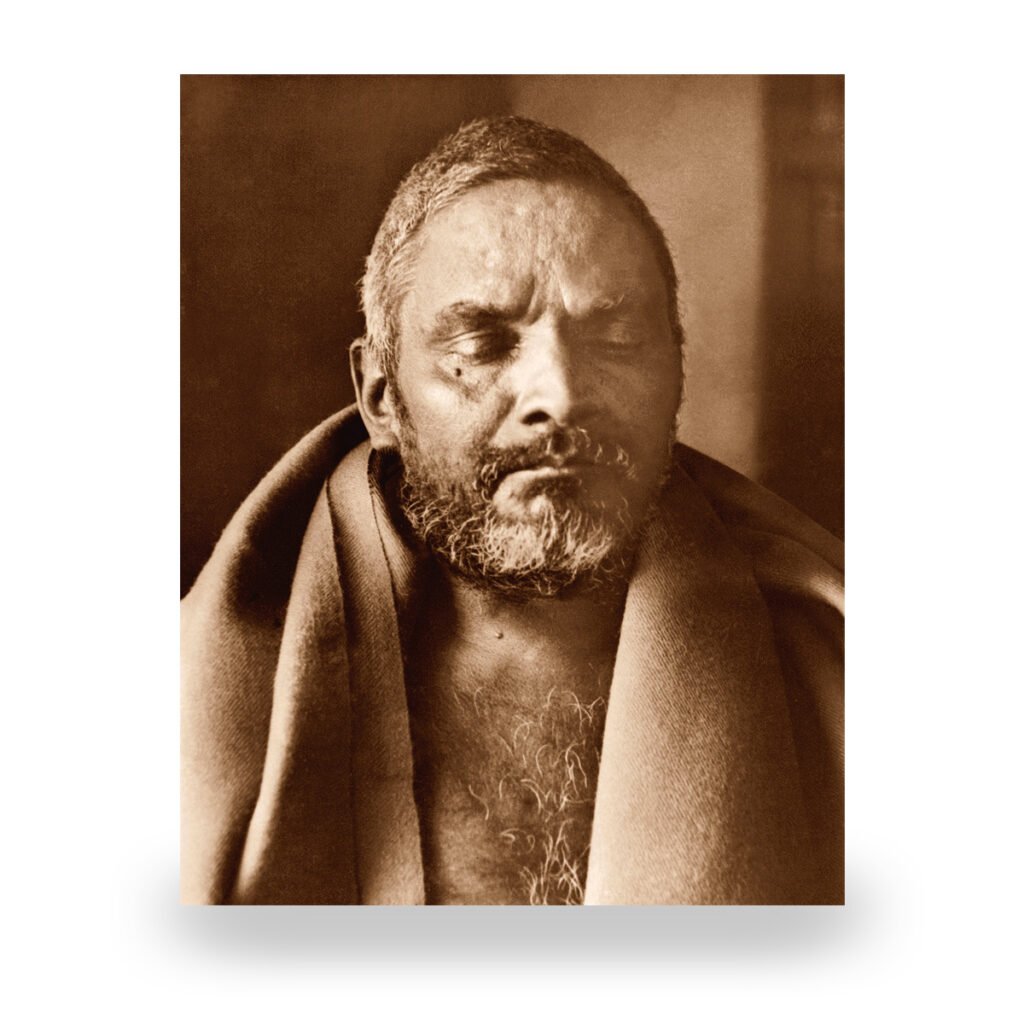
No story of Tarapith is complete without remembering Saint Bamakhepa, one of Bengal’s greatest mystics.
To ordinary people, he appeared eccentric.
Many dismissed him as mad.
But those who understood spiritual life saw something entirely different.
They saw a child who had surrendered completely to his Divine Mother.
Bamakhepa lived with little concern for food, clothing, wealth, or social status.
His entire life revolved around Tara.
He laughed with her.
He cried before her.
He spoke to her as a son speaks to his own mother.
According to tradition, Mother Tara responded to his devotion with extraordinary grace.
His life became a living testimony that sincere love for the Divine transcends all worldly conventions.
Even today, pilgrims visiting Tarapith remember Bamakhepa not merely as a saint but as the beloved child of Mother Tara.
The Sacred Mystery of Tarapith
According to the Shakti Peetha tradition, Tarapith is associated with the divine body of Sati, whose sacred remains sanctified different places across the Indian subcontinent.
Traditional accounts differ regarding which part of Sati’s body is associated with Tarapith, and various texts offer different interpretations.
Regardless of these variations, devotees regard Tarapith as a place where the Divine Mother’s wisdom, compassion, and transformative power are especially present.
Tara’s symbolism goes far beyond physical form.
She represents awakening.
She opens the inner eye of wisdom.
She removes ignorance and reveals truth.
For this reason, seekers believe that Tara does not merely grant worldly blessings.
She illuminates consciousness itself.
Why Tara Matters in Today’s World
Modern life has brought extraordinary convenience.
But it has also created unprecedented emotional challenges.
Stress.
Loneliness.
Anxiety.
Broken families.
Financial pressure.
Mental exhaustion.
Many people carry invisible wounds that no medicine can fully heal.
It is precisely in these moments that devotees turn to Mother Tara.
Not because she magically removes every difficulty.
But because she gives the inner strength to face them.
To the fearful student, she gives confidence.
To the worried mother, she offers reassurance.
To families in conflict, she inspires harmony.
To entrepreneurs facing uncertainty, she grants courage.
To sincere spiritual seekers, she illuminates the path toward truth.
For devotees, Tara is the Mother who never abandons her children.
Worshipping Tara – Simplicity Over Ritual
One of the most beautiful aspects of Tara worship is its simplicity.
Devotees believe that elaborate rituals are not essential.
What matters most is sincerity.
A simple morning prayer.
A lamp lit with devotion.
A white or blue flower offered with love.
A heart filled with faith.
These humble acts become powerful expressions of surrender.
Many practitioners also chant the famous mantra:
Om Tare Tuttare Ture Svaha
This mantra is especially revered in the Buddhist tradition as an invocation to Tara, seeking protection, compassion, and freedom from fear.
For many practitioners, repeating these sacred syllables creates a profound sense of inner peace and trust in the Divine Mother’s protection.
Tara Among the Ten Mahavidyas
In the Hindu Shakta tradition, Tara is revered as one of the Dasa Mahavidyas—the Ten Great Wisdom Goddesses.
Each Mahavidya represents a unique dimension of Divine Consciousness.
Among Tara’s many revered forms are:
Abhaya Tara
The Mother who removes fear and grants divine protection.
Jnana (Vijnana) Tara
The Goddess who awakens higher wisdom and spiritual understanding.
Moksha Tara
The compassionate Mother who guides souls toward liberation from ignorance and the cycle of suffering.
These names symbolize different aspects of the same Divine Mother.
Protection.
Wisdom.
Liberation.
Together, they form the complete path of spiritual evolution.
The Eternal Mother
Sorrow is never permanent.
Fear does not last forever.
Darkness always gives way to light.
Likewise, devotees believe that the grace of Mother Tara never abandons those who sincerely seek her.
Every prayer offered with faith.
Every tear shed in surrender.
Every heartfelt call of:
“Tara Ma…”
Becomes an invitation for the Divine Mother to enter the devotee’s life with compassion and strength.
Whether understood as a living goddess, an eternal spiritual archetype, or the embodiment of unconditional maternal love, Tara continues to inspire countless seekers across generations.
Her message is timeless:
You are never alone.
You are always loved.
And even in the darkest moments of life, the Divine Mother walks beside you
Final Reflection
Mother Tara is more than a goddess of ancient scriptures.
She is the embodiment of boundless compassion.
She is the courage that arises when fear overwhelms us.
She is the wisdom that dispels ignorance.
She is the hope that shines when all seems lost.
In every age, humanity searches for someone who will listen without judgment, protect without condition, and love without limits.
For millions of devotees, that eternal presence is Tara Devi—the Mother whose embrace transforms despair into peace and whose grace continues to guide every sincere soul toward light.