
Pamban Swamigal: The Miraculous Life of Lord Murugan’s Beloved Saint
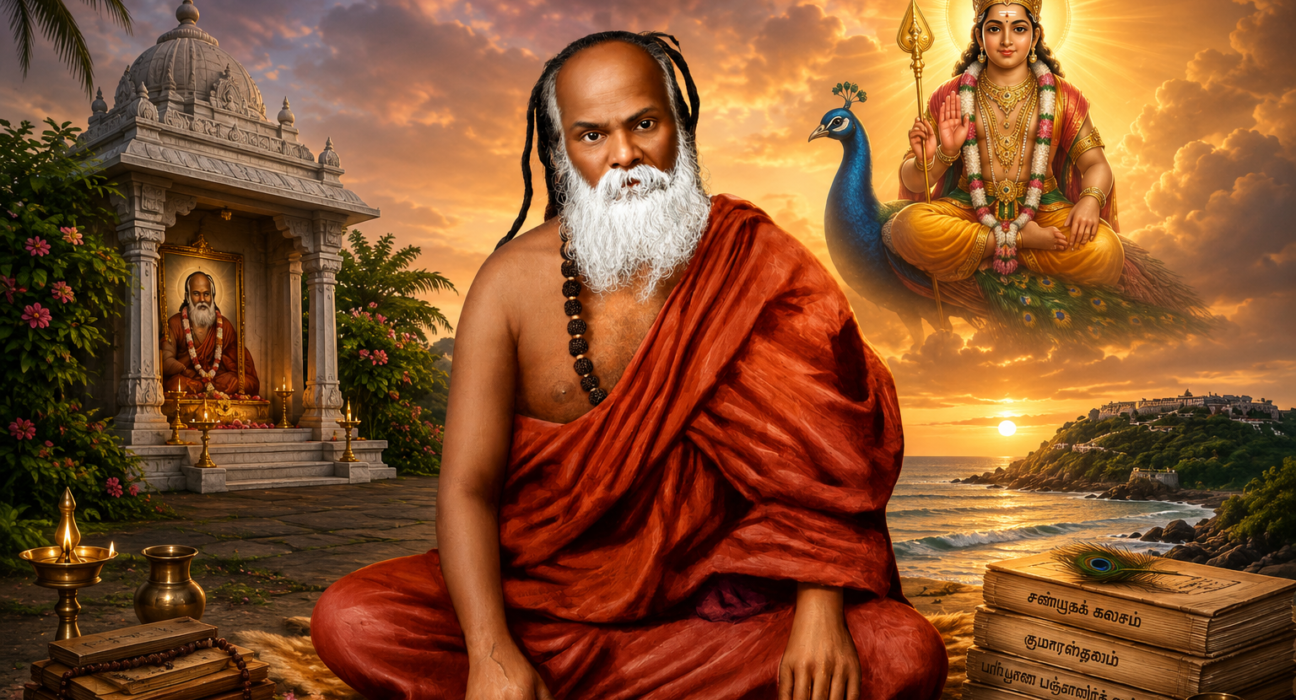
Pamban Swamigal: The Great Murugan Devotee Who Believed the Lord Never Abandons His Devotees
Introduction
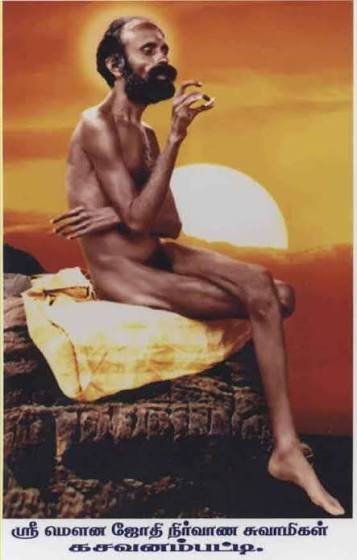
Throughout the ages, countless saints have dedicated their lives to glorifying Lord Murugan, the divine embodiment of the sacred Pranava (Om). Among these enlightened souls, Pamban Srimath Kumaragurudasa Swamigal occupies a unique and revered place in Tamil spiritual history.
His unwavering devotion, miraculous experiences, and thousands of devotional hymns continue to inspire Murugan devotees even today. This article explores the extraordinary life of Pamban Swamigal, his divine experiences, and the spiritual legacy that continues to attract thousands of pilgrims to his Jeeva Samadhi in Thiruvanmiyur, Chennai.
The Birth of a Great Saint
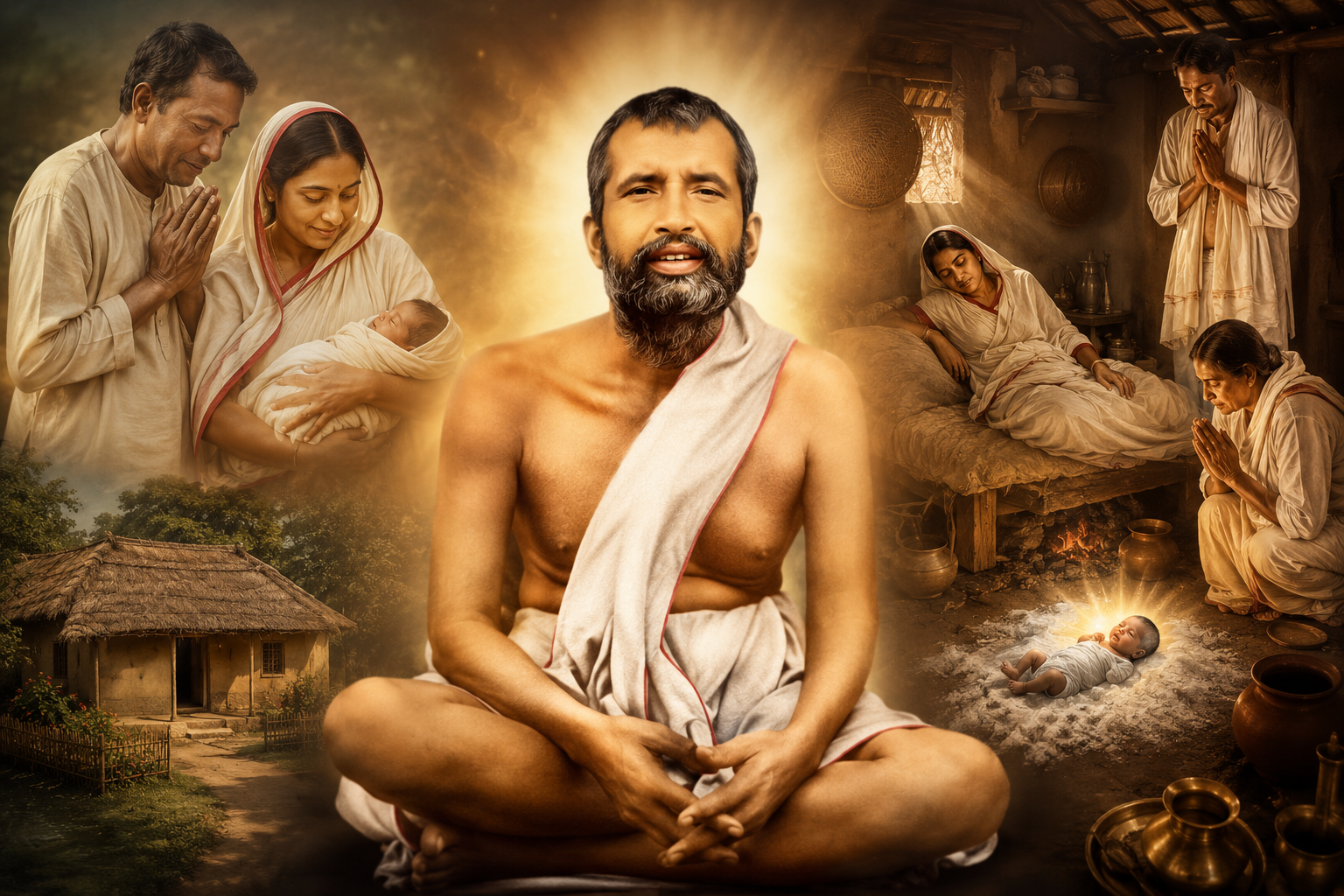
Pamban Srimath Kumaragurudasa Swamigal was born in Pamban, near Rameswaram, during the mid-19th century (traditionally dated to either 1848 or 1850).
He was born to Sathappa Pillai and Sengamalam and was named Appavu.
From an early age, he displayed exceptional intelligence and spiritual inclination. By the age of twelve, he had mastered both Tamil and Sanskrit and had already begun composing devotional hymns.
Inspired by the great saint Arunagirinathar, whom he accepted as his spiritual guru, Pamban Swamigal composed his first celebrated hymn beginning with the words:
“Gangaiyai Sadaiyil Pathithu…”
This marked the beginning of a lifetime devoted entirely to Lord Murugan.
A Householder Who Became a Saint
Unlike many saints who embraced renunciation early in life, Pamban Swamigal first lived as a householder.
He married and became the father of three children.
Even while fulfilling family responsibilities, his heart remained immersed in devotion to Lord Murugan.
During this period, he composed many of his greatest works, including:
- Shanmuga Kavacham
- Paripoorana Panchamirtha Vannam
- Numerous hymns praising Lord Murugan
These compositions continue to be recited by devotees across the world.
Why Pamban Swamigal Never Visited Palani
One of the most remarkable episodes in his life concerns the famous Palani Murugan Temple.
Desiring to embrace the life of renunciation, Swamigal once told a friend that Lord Murugan Himself had summoned him to Palani.
According to traditional accounts, this statement was not true.
That very night, Lord Murugan appeared in his dream.
The Lord lovingly but firmly corrected him and declared that, as a consequence of speaking falsely, he should never visit Palani until the Lord Himself granted permission.
History records that Pamban Swamigal faithfully obeyed this divine instruction and never visited Palani for the remainder of his life.
The Forty Days That Changed Everything
In 1894, Pamban Swamigal undertook an intense period of meditation at Pirappanvalasai, near Ramanathapuram.
For 35 days, he remained absorbed in deep tapas, praying only to Lord Murugan.
On the sacred day of Chitra Pournami, his penance reached its culmination.
According to tradition, Lord Murugan blessed him with a divine vision.
Following this experience, Pamban Swamigal began the practice of Pournami worship, a tradition that continues among his followers to this day.
He gradually embraced complete renunciation, giving up worldly comforts and dedicating every moment of his life to spreading Murugan devotion.
A Saint Who Filled India with Murugan’s Glory
Like his guru Arunagirinathar, Pamban Swamigal undertook extensive pilgrimages.
His journeys carried him across South India and far beyond.
He visited sacred places including:
- Bezawada (Vijayawada)
- Godavari
- Visakhapatnam
- Jagannath Puri
- Kolkata
- Gaya
- Kashi (Varanasi)
Everywhere he travelled, he sang the glory of Lord Murugan.
His literary contribution remains extraordinary.
He composed:
- 6,666 devotional hymns
- 32 major spiritual treatises
These works continue to guide Murugan devotees even today.
The Miracle of Kumarasthavam
In 1918, Pamban Swamigal suffered from a severe illness.
During this difficult period, he composed the sacred hymn known as Kumarasthavam, centered around the six-syllabled Murugan mantra.
According to tradition, he completely recovered after composing and reciting this hymn.
He later instructed his disciples that sincere devotees who chant the hymn beginning with:
“Om Shanmuga Pathaye Namo Namaha”
with faith and devotion would receive the blessings of Lord Shanmuga seated upon His peacock with Valli and Deivanai.
Even today, countless devotees continue to recite Kumarasthavam as part of their daily worship.
The Miracle That Astonished Chennai
One of the most famous incidents in Pamban Swamigal’s life occurred in December 1923.
While walking along Thambu Chetty Street in Chennai, he was struck by a horse-drawn cart.
The accident severely fractured his leg.
He was admitted to the Government General Hospital (today’s Rajiv Gandhi Government General Hospital).
The doctors reportedly concluded that recovery would be extremely difficult.
But according to the devotional tradition, Lord Murugan had other plans.
Throughout his stay in the hospital, Pamban Swamigal continued reciting Shanmuga Kavacham.
On the night of 6 January 1924, Lord Murugan is believed to have appeared before him upon His peacock vehicle and assured him:
“Within fifteen days, I shall heal you.”
According to tradition, the divine promise was fulfilled exactly as foretold.
His fractured leg healed completely.
This miraculous event is commemorated every year as the Mayura Vahana Sevan Festival, celebrated during the waxing phase of the Tamil month of Margazhi.
The Maha Tejo Mandala Sabha, founded by Pamban Swamigal, continues to organize this annual celebration.
Even today, devotees note that a portrait of Pamban Swamigal is displayed in the Monroe Ward of Chennai’s Rajiv Gandhi Government General Hospital in remembrance of this remarkable event.
His Final Days
After recovering, Pamban Swamigal established the Maha Tejo Mandala Sabha on 17 July 1926, creating a spiritual organization dedicated to Murugan worship.
As the end of his earthly life approached, he quietly prepared himself.
He spent his remaining days chanting Kumarasthavam, constantly meditating upon Lord Murugan.
Eventually, he stopped taking food and remained immersed in divine remembrance.
On 30 May 1929, at approximately 7:15 a.m., Pamban Swamigal attained Maha Samadhi.
Following his wishes, his disciples continued singing Murugan hymns throughout his final journey.
On 31 May 1929, his body was taken in a beautifully decorated floral procession and laid to rest at Thiruvanmiyur, Chennai, near the Bay of Bengal.
His sacred Samadhi remains there to this day.
Pamban Swamigal’s Samadhi Today
The Jeeva Samadhi of Pamban Swamigal has become one of the most cherished Murugan pilgrimage centers in Chennai.
Thousands of devotees visit every month seeking blessings, peace, and spiritual guidance.
The Pournami worship performed here is considered especially sacred.
Many devotees firmly believe:
“Pamban Swamigal never abandons those who seek Lord Murugan with sincere devotion.”
The shrine is affectionately known among local devotees as “Thaatha Kovil” (Grandfather’s Temple).
Located just about one kilometer from the Thiruvanmiyur Bus Terminus, it welcomes devotees from across India throughout the year.
Conclusion
Pamban Swamigal’s life stands as a shining example of unwavering faith, humility, and complete surrender to Lord Murugan. His devotional hymns, spiritual teachings, and miraculous experiences continue to inspire generations of devotees.
Whether through the powerful verses of Shanmuga Kavacham, the grace-filled Kumarasthavam, or the peaceful atmosphere of his Jeeva Samadhi, Pamban Swamigal’s message remains timeless:
Those who sincerely surrender to Lord Murugan are never abandoned by His grace.