
Goddess Varahi: The Forgotten Divine Mother of Protection, Prosperity & Spiritual Power
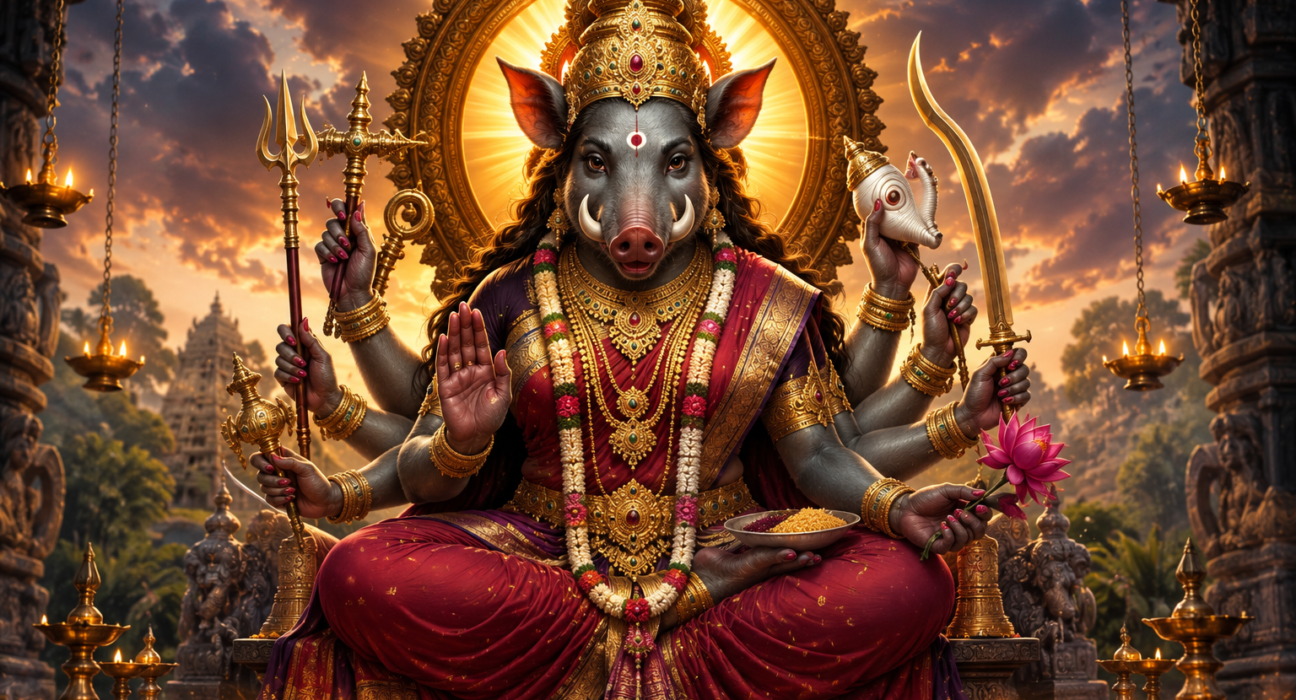
The Divine Mystery of Goddess Varahi: The Forgotten Mother Goddess Who Protects, Guides, and Transforms Lives
Introduction: The Hidden Secret Behind the Number Seven
Numbers may seem ordinary.
We use them every day without giving them a second thought.
But in the spiritual traditions of India, numbers are not merely mathematical symbols—they are cosmic codes.
Each number carries a deeper vibration, a hidden meaning that connects the physical world with the divine.
Among all these sacred numbers, one stands above the rest.
The number Seven.
Seven days of the week.
Seven musical notes.
Seven sacred rivers.
Seven chakras.
Seven sages (Saptarishis).
Seven worlds described in the Vedas.
And perhaps most mysteriously…
The Seven Divine Mothers—the Sapta Matrikas.
These seven goddesses are among the most powerful manifestations of the Divine Mother in Hinduism.
They are not simply deities who bless devotees with material comforts.
They are cosmic forces that protect creation, destroy negativity, and awaken spiritual wisdom.
Yet despite their immense significance, very few people truly understand who they are.
Even fewer know how to worship them.
Today, many devotees walk past their shrines inside ancient temples without realizing the immense spiritual power seated before them.
Who are these mysterious Divine Mothers?
Why were they worshipped so extensively in ancient India?
And why do tantric traditions continue to revere two of these goddesses above all others?
To answer these questions, we must journey into one of Hinduism’s most mysterious and forgotten spiritual traditions.
The Sapta Matrikas: The Seven Mothers of Divine Power
The worship of the Sapta Matrikas (Seven Divine Mothers) is one of the oldest traditions found in Hinduism.
References to these powerful goddesses appear in ancient scriptures, including:
- The Rig Veda
- The Markandeya Purana
- The Devi Bhagavata Purana
- Various Tantric texts and Agamas
Together, these scriptures describe the Sapta Matrikas as the feminine manifestations of the supreme cosmic energy—Shakti.
Each Mother represents a different aspect of divine consciousness.
Together, they protect the universe from forces of chaos and ignorance.
Traditionally, the Seven Mothers are:
- Brahmi
- Maheshwari
- Kaumari
- Vaishnavi
- Varahi
- Indrani
- Chamundi
In ancient India, these goddesses were worshipped in dedicated temples.
Powerful tantric rituals were performed exclusively for them.
Kings sought their blessings before battles.
Saints invoked them for spiritual protection.
Devotees prayed to them for health, prosperity, courage, wisdom, and liberation.
Unlike ordinary forms of worship that focus primarily on worldly desires, the worship of the Sapta Matrikas was believed to transform every aspect of a person’s life—from material success to spiritual evolution.
The Forgotten Mothers of Ancient India
Time, however, changes everything.
Many temples dedicated exclusively to the Sapta Matrikas gradually disappeared.
Political invasions, changing traditions, and the passage of centuries caused their independent worship to decline.
Today, in many ancient temples across India, the Seven Mothers can still be found seated quietly along a side wall or in a small shrine.
Thousands of devotees pass them every day.
Few stop.
Even fewer recognize who they are.
Their shrines often remain silent.
Almost forgotten.
Yet according to traditional tantric practitioners, their spiritual presence has never diminished.
The Divine Mothers continue to bless those who approach them with sincerity.
Among these seven goddesses, two continue to hold a particularly significant place in living spiritual traditions:
Chamundi and Varahi.
Chamundi remains one of the most revered deities in powerful tantric worship.
Varahi, however, occupies a unique position.
Unlike many tantric deities who are worshipped primarily by advanced practitioners, Goddess Varahi is also lovingly worshipped by householders seeking protection, prosperity, family harmony, and spiritual growth.
This makes her one of the most accessible yet profoundly powerful forms of the Divine Mother.
Who Is Goddess Varahi?
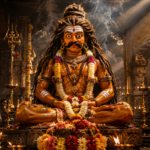
Among the Sapta Matrikas, Goddess Varahi is one of the most mysterious.
She is regarded as the Shakti—the divine feminine power—of Lord Vishnu’s Varaha Avatar, the boar incarnation who rescued Mother Earth from the cosmic ocean.
If Varaha represents divine strength and protection…
Varahi represents the active energy behind that strength.
In the sacred Sri Vidya tradition, she occupies an even more exalted position.
She is revered not merely as a goddess of protection, but as the embodiment of supreme wisdom and hidden knowledge.
Devotees believe that Varahi grants the ability to perceive what cannot ordinarily be seen.
She helps seekers understand what the intellect alone cannot grasp.
She removes confusion.
She destroys ignorance.
She reveals the truth hidden beneath appearances.
This is why tantric practitioners regard her as one of the most powerful guardians of spiritual evolution.
For them, worshipping Varahi is not merely an act of devotion.
It is an invocation of divine protection, clarity, courage, and transformation.
Why Is Goddess Varahi Worshipped at Night?
Unlike many Hindu deities who are worshipped during the early morning hours, Goddess Varahi is closely associated with the night.
In the Tantric tradition, she is known as a Ratri Devata—the Goddess of the Night.
This does not mean she is connected with darkness in a negative sense.
Rather, night symbolizes silence.
It is the time when the world becomes still, distractions fade away, and the mind naturally turns inward.
Ancient sages believed that certain divine energies become more accessible during these quiet hours.
Among them, the energy of Goddess Varahi is considered especially powerful.
For this reason, devotees traditionally worship her:
- Before sunrise (Brahma Muhurta)
- After sunset
- During the night, especially on auspicious occasions
These are believed to be the periods when her protective and transformative energy is most active.
According to the Sri Vidya and Tantric traditions, sincere worship during these sacred hours can strengthen one’s inner courage, remove unseen obstacles, and invite divine grace into every aspect of life.
The Spiritual Significance of the Seven Days of the Week
Each day of the week is governed by a planetary energy.
The ancient sages taught that Goddess Varahi responds differently to sincere prayers offered on each day.
This does not mean that she can only be worshipped on certain days.
Rather, each day emphasizes a particular aspect of her divine grace.
Approaching her with this understanding is believed to deepen one’s spiritual connection and make worship more meaningful.
Sunday – The Day of Vitality and Healing
Sunday is ruled by the Sun.
It symbolizes life force, confidence, health, and inner radiance.
When devotees worship Goddess Varahi on Sunday with sincerity, tradition says she blesses them with renewed physical strength and vitality.
Those struggling with illness or prolonged weakness often pray to her on this day, seeking healing and restoration.
Just as the rising sun dispels darkness, her grace is believed to awaken dormant energy within the devotee.
It is not merely physical healing that she offers, but the courage to rise again after life’s greatest challenges.
Monday – The Day of Mental Peace
Monday is governed by the Moon, representing the mind, emotions, and inner balance.
Modern life often leaves people burdened with anxiety, confusion, and emotional exhaustion.
According to traditional belief, worshipping Varahi on Monday calms the restless mind.
Unnecessary worries gradually fade.
Emotional stability increases.
The mind becomes clearer and more capable of making wise decisions.
Like the cool light of the full moon, her blessings gently soothe emotional turbulence and restore inner peace.
Tuesday – The Day That Removes Obstacles
Tuesday is associated with strength, determination, and action.
It is considered especially powerful for overcoming obstacles that prevent progress.
Those facing challenges involving:
- Land disputes
- Property matters
- House construction
- Court cases
- Legal complications
often worship Goddess Varahi on Tuesdays.
Her divine energy is believed to remove stagnation and set delayed matters into motion.
When life feels stuck, devotees pray to her for the strength to move forward with confidence.
Wednesday – Freedom from Financial Burdens
Wednesday represents intelligence, communication, commerce, and practical decision-making.
It is also considered favorable for resolving financial difficulties.
Traditional belief holds that worshipping Varahi on Wednesday helps reduce the burden of debt and brings greater stability in professional and financial life.
Her blessings encourage clarity in financial decisions and gradually lighten the weight of economic hardship.
Rather than promising instant wealth, the tradition emphasizes sustainable prosperity built through wisdom, discipline, and divine grace.
Thursday – Blessings for Children and Wisdom
Thursday belongs to Guru, the planet of knowledge, learning, and spiritual growth.
This day is especially significant for families seeking:
- Children
- Healthy pregnancies
- Academic success
- Wisdom
- Spiritual progress
Many devotees pray to Goddess Varahi on Thursdays for the blessing of children and for the educational success of their sons and daughters.
She is also revered as a divine guide who removes ignorance and leads seekers toward higher knowledge.
In the Sri Vidya tradition, this aspect of Varahi is deeply respected, as she is considered a guardian of sacred wisdom.
Friday – Prosperity, Family Harmony, and Abundance
Friday has long been associated with wealth, beauty, prosperity, and the Divine Feminine.
It is one of the most popular days for worshipping Goddess Varahi.
Traditional belief says that sincere prayers offered on Fridays strengthen:
- Family harmony
- Marital happiness
- Mangalya (the well-being and longevity of married life)
- Business growth
- Financial prosperity
Her blessings are believed to fill the home with peace, abundance, and positive energy.
Many devotees light lamps, offer flowers, and chant her sacred names on Fridays to invite lasting prosperity into their lives.
Saturday – Divine Protection Against Negative Forces
Saturday is governed by Saturn, the planet associated with karma, discipline, justice, and life’s greatest tests.
For many people, Saturday represents the challenges that shape character and spiritual growth.
It is on this day that Goddess Varahi is especially revered as the Divine Protector.
Traditional belief holds that worshipping her on Saturdays helps remove the influence of:
- Negative energies
- Evil eye (Drishti)
- Black magic (Billi and Soonyam)
- Hidden enemies
- Fear and insecurity
Devotees believe that once Goddess Varahi’s protective grace surrounds them, negative influences gradually lose their power.
Her presence becomes a shield, strengthening the devotee’s courage, faith, and spiritual resilience.
To countless devotees, she is not merely a goddess who grants wishes.
She is a fearless guardian who stands beside those who surrender to her with complete trust.
Panchami Tithi: The Most Powerful Day to Worship Goddess Varahi
While Goddess Varahi can be worshipped on any day with devotion, the ancient scriptures and Tantric traditions identify one lunar day as especially sacred to her.
That day is Panchami Tithi—the fifth lunar day in the Hindu calendar.
For centuries, devotees have believed that the divine energy of Goddess Varahi is particularly accessible on Panchami.
Temples dedicated to the Sapta Matrikas become vibrant centers of worship on this auspicious day.
Devotees gather before sunrise and after sunset, offering prayers with unwavering faith.
According to the Sri Vidya tradition, worship performed on Panchami is believed to:
- Remove unseen obstacles.
- Strengthen spiritual protection.
- Bring peace to the family.
- Improve financial stability.
- Bless devotees with courage and confidence.
- Accelerate spiritual progress.
Whether one seeks worldly success or inner transformation, Panchami is regarded as one of the most favorable times to invoke the grace of Goddess Varahi.
Sacred Offerings to Goddess Varahi
In Hindu worship, every offering carries symbolic significance.
The items traditionally offered to Goddess Varahi are believed to resonate with her unique energy.
Ancient temple traditions recommend offering foods prepared with purity and devotion rather than expensive rituals.
Among the most sacred offerings are:
- Black gram vada (prepared with whole urad dal)
- Navadhanya (nine-grain) vada
- Curd rice made with fresh homemade yogurt and seasoned with black pepper
- Boiled field beans (Mochai)
- Sundal (seasoned legumes)
- Panakam enriched with dry ginger
- Pepper and cumin dosa
- Milk flavored with saffron, cardamom, cloves, edible camphor, and sugar
- Black sesame seed laddus
- Sweet potatoes
- Pure honey
Each offering symbolizes nourishment, protection, prosperity, and spiritual abundance.
More important than the offering itself, however, is the devotion behind it.
The scriptures repeatedly emphasize that a sincere heart is the greatest offering one can present before the Divine Mother.
The Most Sacred Varahi Temples in India
Although shrines dedicated to Goddess Varahi can be found across India, a few temples are especially revered for their spiritual significance.
These sacred places have attracted devotees for centuries and continue to be powerful centers of worship.
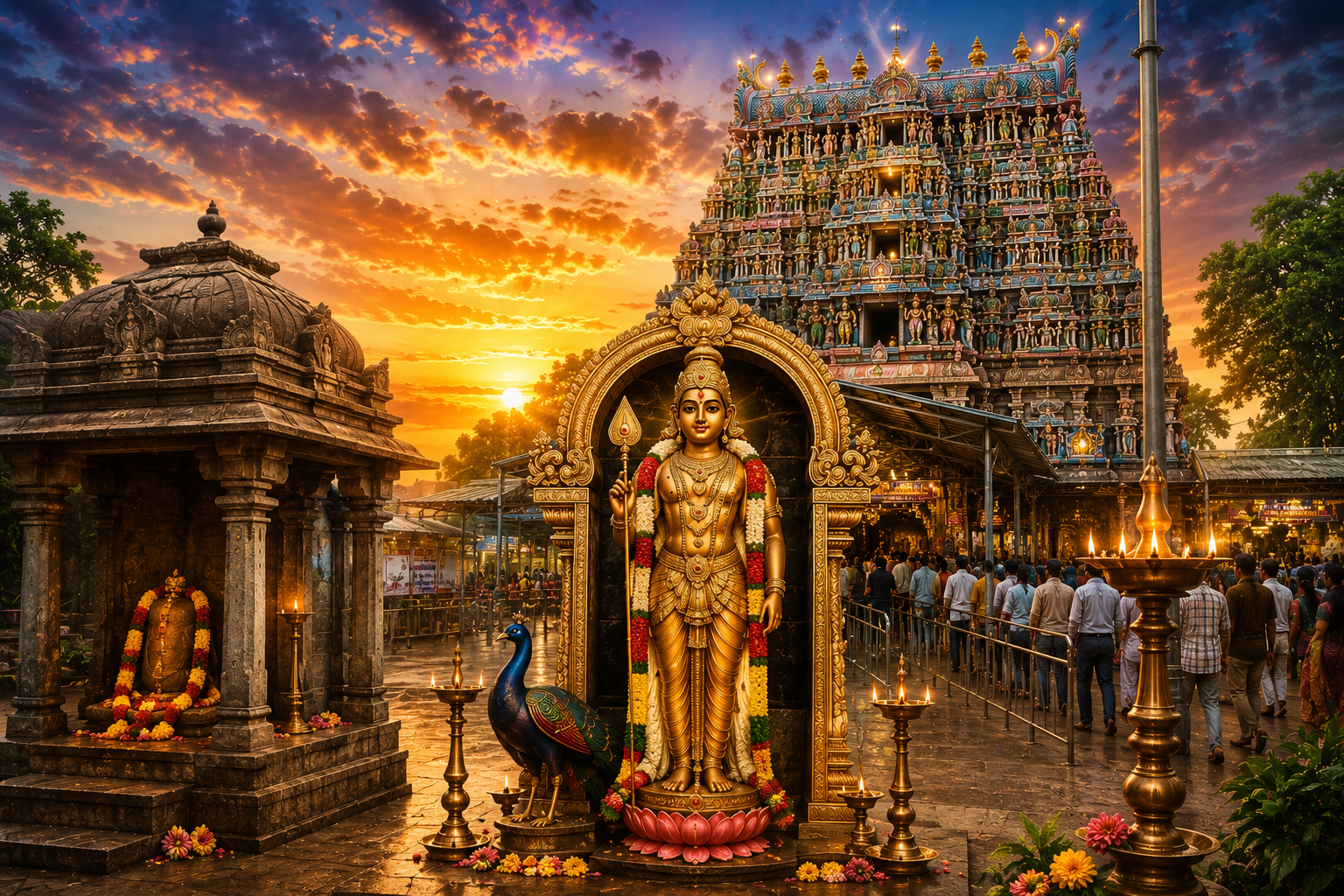
Thanjavur Brihadeeswara Temple – The Royal Goddess
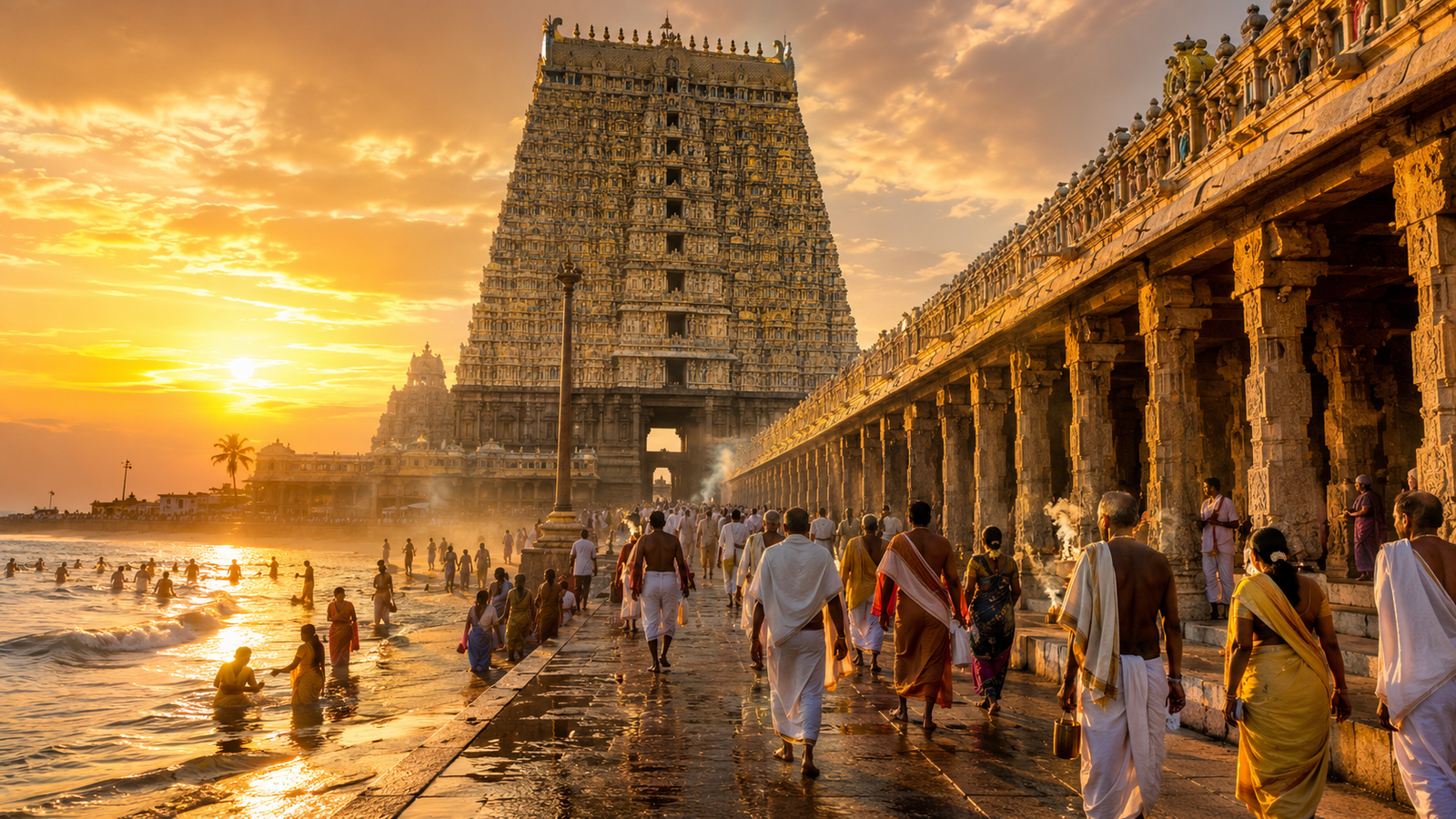
One of the most celebrated shrines of Goddess Varahi is located inside the magnificent Brihadeeswara Temple in Thanjavur.
Unlike many temples where she occupies a smaller shrine, Varahi is worshipped here with great reverence in a dedicated sanctum.
Local tradition holds that the great Chola emperor Rajaraja Chola I received the blessings of Goddess Varahi before expanding his empire.
Whether regarded as history or sacred tradition, this belief reflects the immense respect that ancient rulers had for the Divine Mother.
Even today, devotees visit this shrine seeking strength, success, protection, and victory over life’s challenges.
Thiruvanaikaval – The Varahi Peetha
The sacred Jambukeswarar Temple at Thiruvanaikaval is one of the Pancha Bhoota Sthalams, representing the element of water.
Within the Sri Vidya tradition, this temple is also revered as the Varahi Peetha, making it one of the most spiritually significant places for devotees of Goddess Varahi.
Pilgrims believe that worship performed here helps dissolve emotional burdens, remove obstacles, and deepen one’s spiritual journey.
The tranquil atmosphere of the temple perfectly reflects the compassionate yet immensely powerful nature of the Divine Mother.
Kashi – The Hidden Temple of Goddess Varahi
Among all the sacred shrines dedicated to Goddess Varahi, the temple in Kashi (Varanasi) holds a unique place.
Unlike most temples, worship here follows a remarkable tradition.
Devotees are encouraged to have darshan before sunrise, ideally before 5:30 a.m.
According to temple customs, the most elaborate worship takes place between midnight and the early hours of the morning.
During these sacred hours:
- Abhishekam (ritual bathing)
- Alankaram (sacred decoration)
- Special archana
- Three forms of Deeparadhana (ceremonial offering of lamps)
are performed with great devotion.
Witnessing these early morning rituals is believed to bring immense spiritual merit and the blessings of Goddess Varahi.
For many devotees, visiting the Varahi Temple in Kashi becomes one of the most memorable experiences of their spiritual journey.
Why Goddess Varahi Is More Relevant Today Than Ever Before
Modern life is filled with uncertainty.
Stress.
Financial worries.
Health concerns.
Relationship challenges.
Constant fear of the unknown.
It is during such times that the worship of Goddess Varahi acquires deeper meaning.
She is not merely worshipped as a goddess who grants material desires.
She is revered as a fearless protector who gives devotees the inner strength to face every challenge with courage and wisdom.
Whether one approaches her through traditional temple worship, silent meditation, or heartfelt prayer, her teachings remind us of an eternal truth:
True protection begins within.
When the mind becomes fearless…
When faith becomes unwavering…
When wisdom replaces confusion…
The Divine Mother’s grace naturally begins to transform every aspect of life.
Conclusion: The Divine Mother Who Never Abandons Her Devotees
For thousands of years, Goddess Varahi has stood as one of the most powerful and mysterious manifestations of the Divine Mother.
Though her worship may no longer be as widespread as it once was, her presence continues to be felt by sincere devotees across India.
She protects without being asked.
She guides without demanding recognition.
She destroys fear while awakening wisdom.
The ancient sages never described Varahi merely as a goddess of miracles.
They revered her as the embodiment of divine courage, hidden knowledge, and unconditional protection.
Perhaps that is why, even today, those who surrender to her with devotion often say they experience an invisible strength guiding their lives.
For the Divine Mother may not always remove every challenge from our path…
But she gives us the courage, clarity, and grace to walk through every challenge without fear.
And in that fearless walk, the true blessings of Sri Varahi Devi begin to unfold.