
The 9 Most Powerful Tantric Temples of India: Sacred Gateways to Inner Awakening
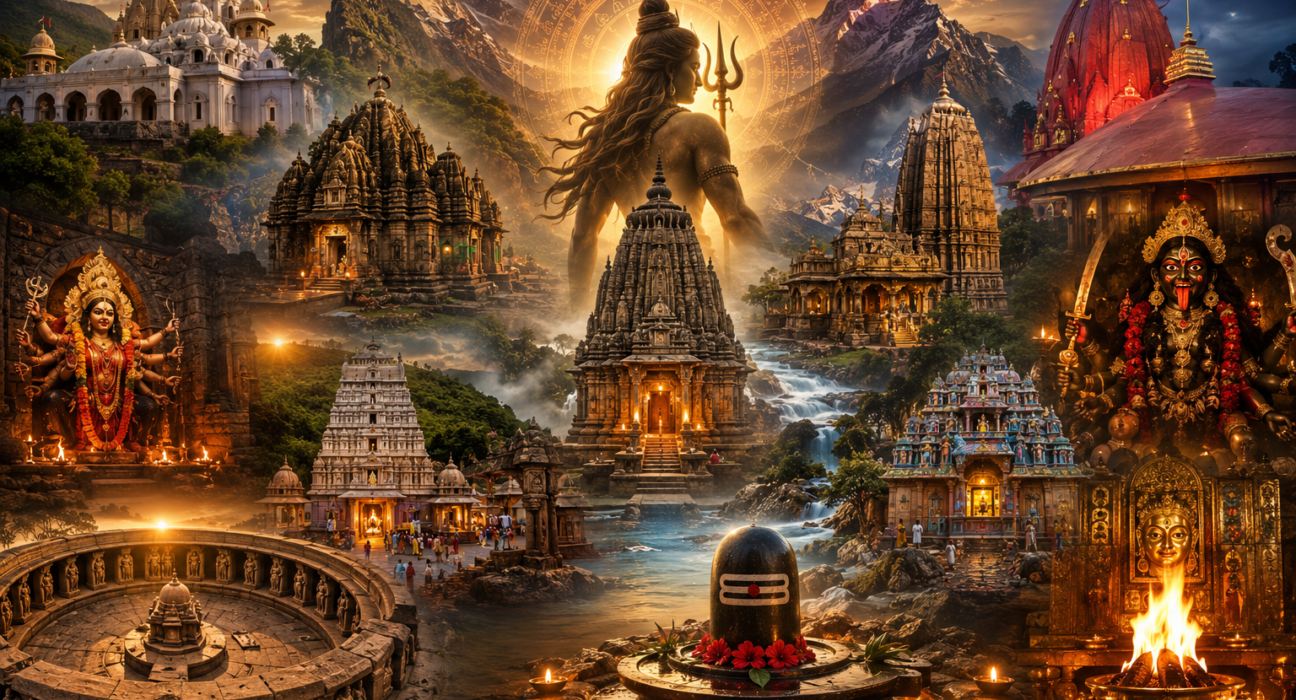
The 9 Most Powerful Tantric Temples of India: Sacred Gateways to Inner Awakening
Tantra Is Not Black Magic—It Is the Science of Inner Transformation
For centuries, the word “Tantra” has been surrounded by mystery. Popular culture often associates it with black magic, occult rituals, or supernatural practices. Yet this perception couldn’t be further from the truth.
Authentic Tantra is one of the oldest spiritual sciences of Sanatana Dharma. It is a sacred path that seeks to awaken the divine energy dormant within every human being. Rather than chasing external miracles, Tantra teaches that the greatest miracle lies within ourselves.
Unfortunately, many people confuse Tantra with practices such as black magic, sorcery, or harmful rituals. While both may involve mantras and sacred symbolism, their intentions are completely different.
True Tantra is a journey toward liberation. It uses divine energies, sacred mantras, meditation, yantras, and disciplined spiritual practices to unite the individual soul with the Supreme Consciousness. In contrast, practices intended to manipulate, harm, or gain selfish advantages belong to an entirely different category and should never be mistaken for authentic Tantric traditions.
Another widespread misconception is that Tantra revolves exclusively around the worship of the Divine Feminine. While Goddess worship certainly occupies a central place, Tantric traditions also revere Shiva, Bhairava, Hanuman, and many other deities. Tantra is not confined to one form of divinity—it embraces the entire cosmic balance of Shiva and Shakti.
Across India, there are a handful of temples where these ancient traditions continue to survive. Daily Tantric rituals are still performed according to centuries-old lineages, preserving practices that have remained largely unchanged for generations.
This journey takes us to nine extraordinary temples where the ancient science of Tantra is still alive.
The Eternal Search Within
Every human life begins with a search.
Some seek wealth.
Some seek power.
Some seek happiness.
But beneath every worldly desire lies a deeper longing—the search for the Divine.
According to the Tantric tradition, every person carries within them a dormant cosmic force waiting to be awakened. Tantra is the spiritual science that activates this hidden potential.
It is not magic.
It is not superstition.
It is the language through which the human soul communicates with the infinite universe.
To an ordinary observer, Tantra often appears mysterious and difficult to understand. Yet enlightened masters describe it differently. For them, Tantra is the light of truth concealed behind the veil of illusion.
For thousands of years, this sacred wisdom has quietly survived in a few extraordinary places across India. These are not merely temples built from stone—they are living spiritual centers where every mantra, every ritual, and every sacred space is believed to vibrate with divine energy.
1. Kamakhya Temple, Assam – The Supreme Seat of Divine Shakti
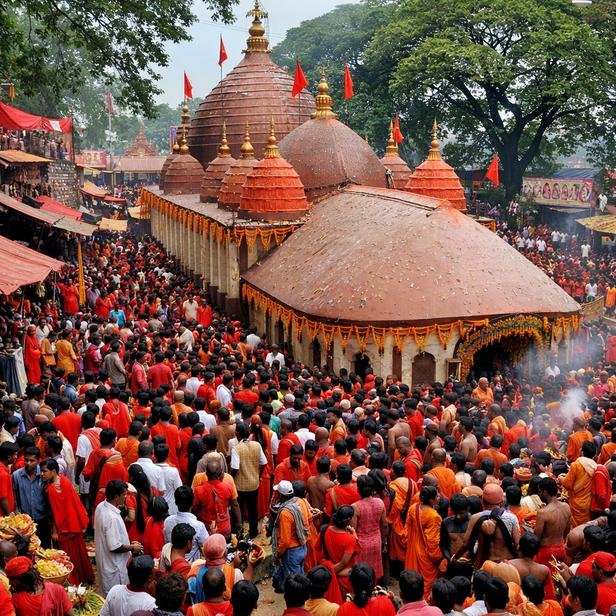
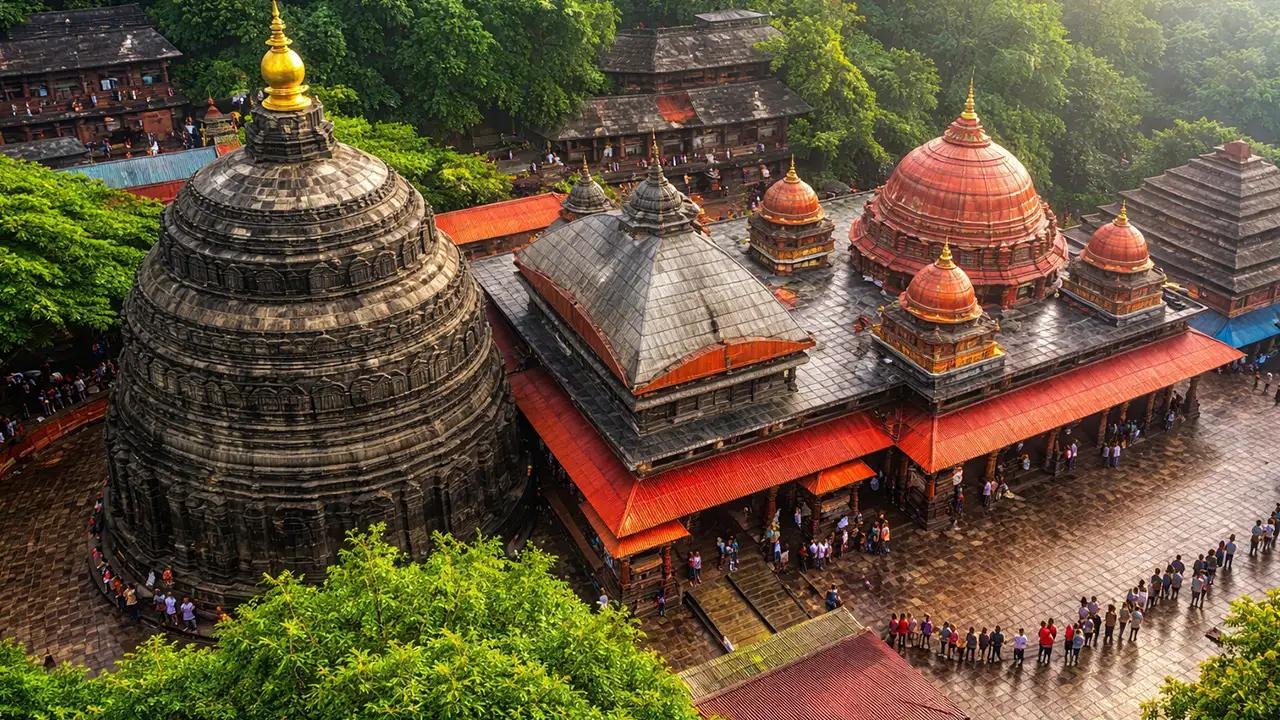
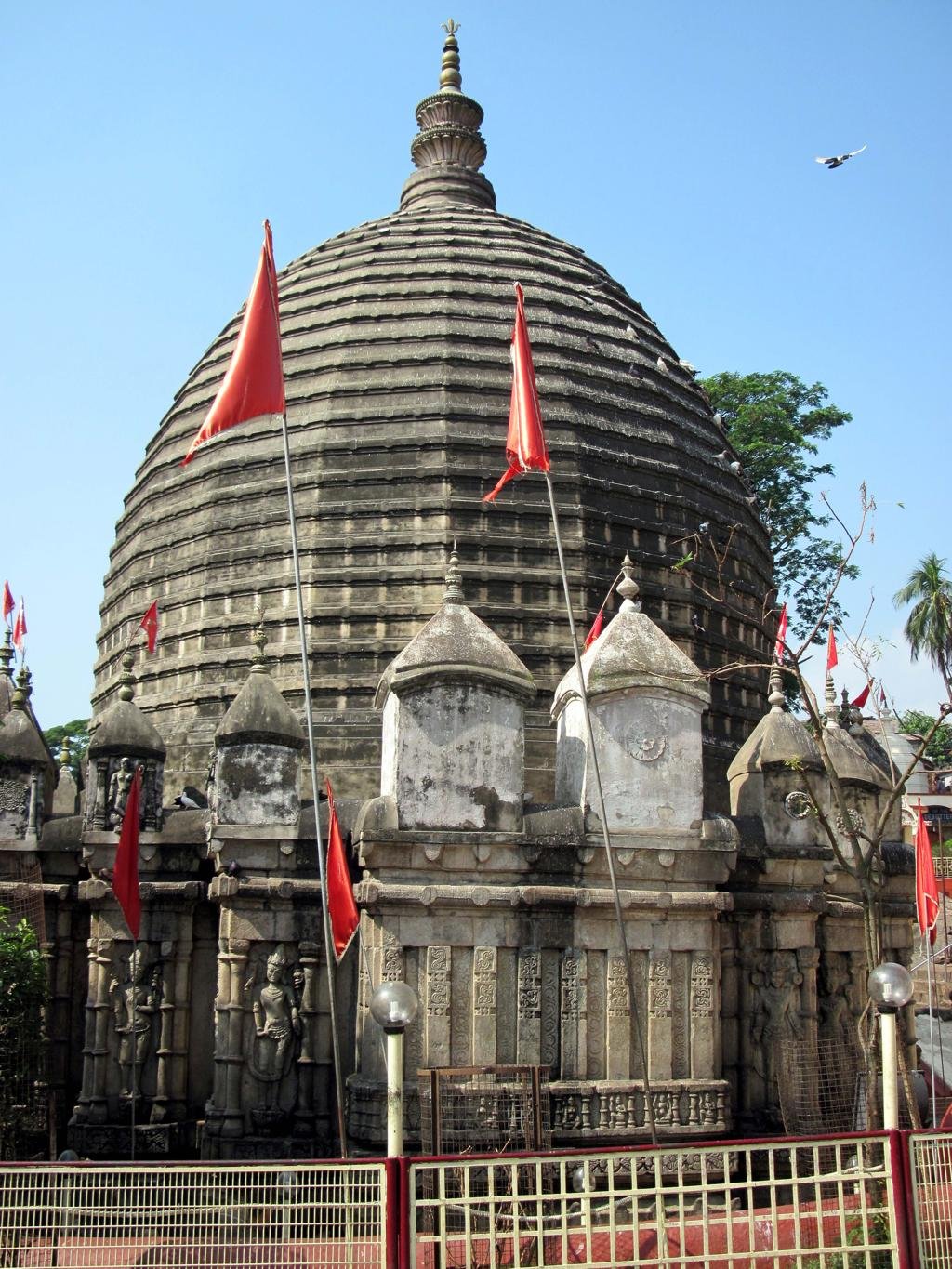
Perched atop the Nilachal Hill in Guwahati, Assam, the Kamakhya Temple is regarded as one of the most sacred Shakti Peethas in India. Among Tantric practitioners, it is revered as the spiritual heart of Shakta Tantra.
Unlike most Hindu temples, Kamakhya has no conventional idol inside its sanctum. Instead, devotees worship a naturally occurring rock formation fed by an underground spring. This sacred cleft, constantly bathed in flowing water, symbolizes the creative power of the Divine Mother.
According to ancient tradition, this is the place where the womb of Goddess Sati fell during the cosmic dismemberment of her body by Lord Vishnu’s Sudarshana Chakra. Because of this, Kamakhya is revered not merely as a temple but as the very source of creation itself.
Every year, during the famous Ambubachi Mela, the temple becomes the center of one of the world’s largest gatherings of Tantric practitioners. Thousands of Aghoris, ascetics, scholars, and spiritual seekers arrive from across India and beyond to participate in rituals that celebrate the Divine Feminine as the source of all life.
To Tantric philosophy, Shakti is not simply a goddess to be worshipped.
She is the primordial cosmic energy that sustains the entire universe.
Kamakhya is therefore not just a pilgrimage destination—it is considered a gateway into understanding the deepest mysteries of creation itself.
2. Kalighat Kali Temple, Kolkata – Where Divine Power Meets Compassion
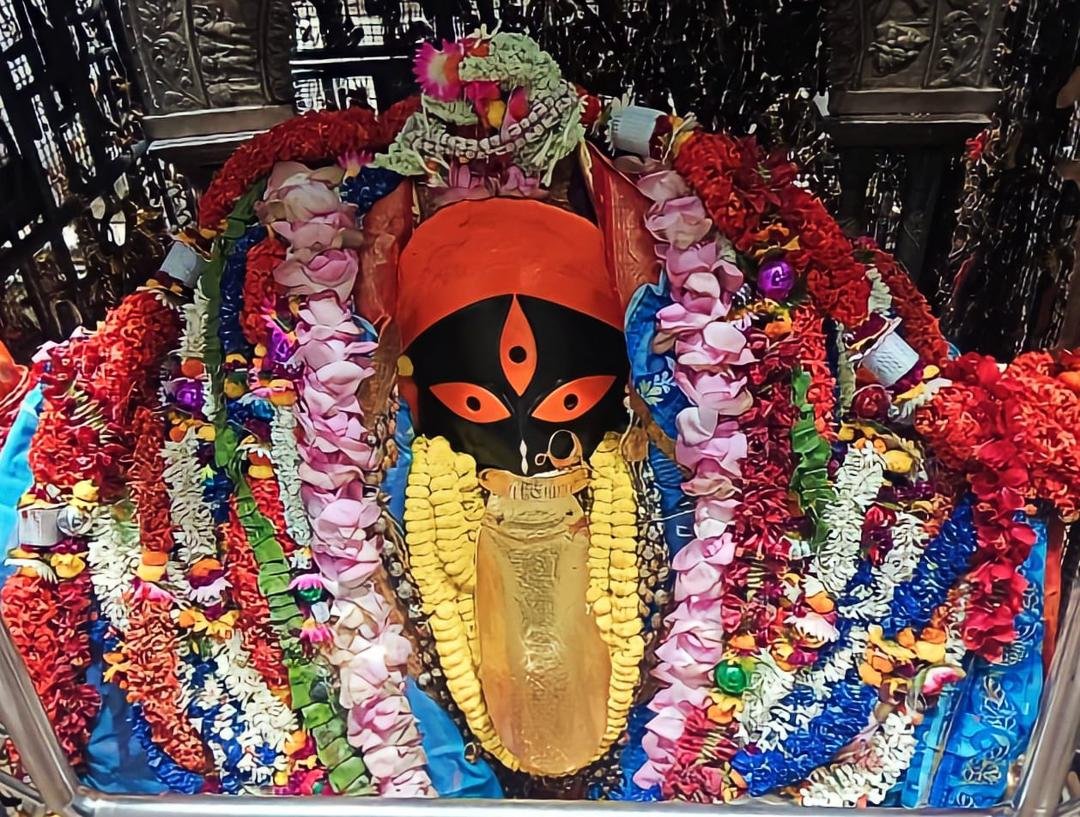
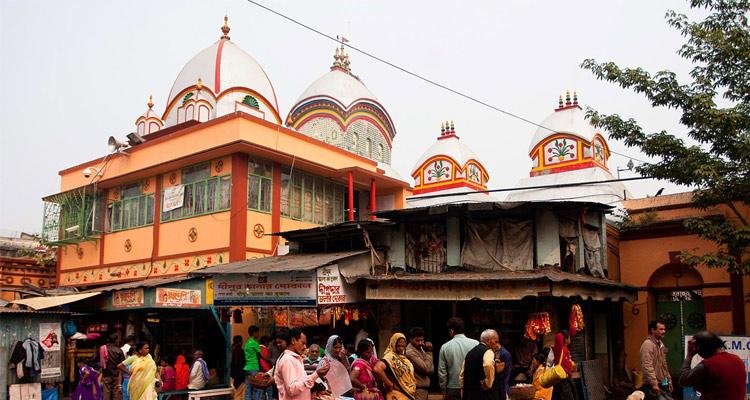
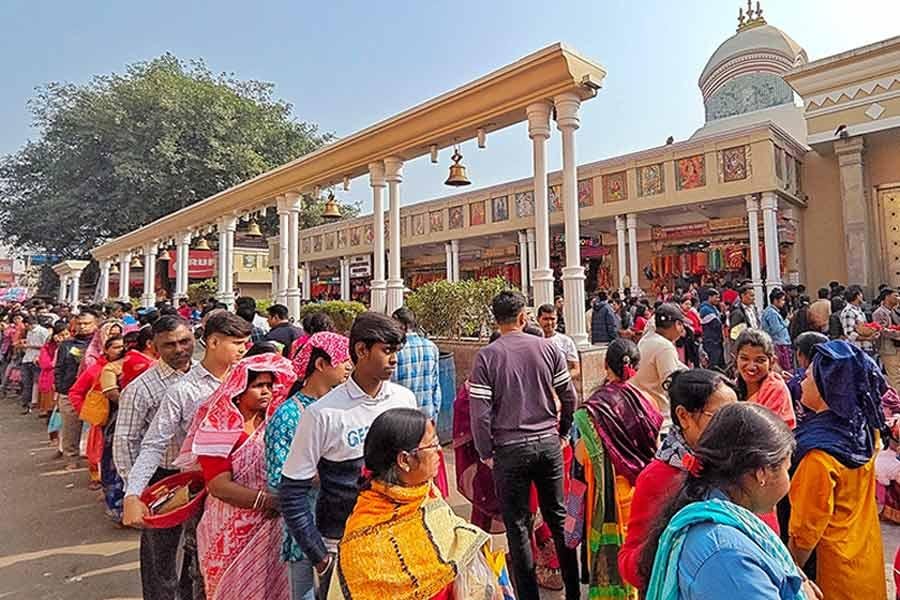
Hidden within the vibrant streets of Kolkata stands another of India’s most revered Shakti Peethas—the Kalighat Kali Temple.
According to sacred tradition, the toes of Goddess Sati’s right foot fell at this very location, transforming it into one of Hinduism’s holiest pilgrimage sites. Over the centuries, Kalighat evolved into one of the principal centers of Tantric worship in eastern India.
The temple’s image of Goddess Kali is unlike any other.
Her dark form radiates immense spiritual force.
Her extended golden tongue symbolizes the consuming fire that destroys ignorance.
Golden ornaments, sacred garlands, and centuries of uninterrupted devotion give the sanctum an atmosphere unlike any ordinary temple.
Near the shrine lies the sacred Kundupukur tank, whose waters are believed by devotees to possess extraordinary spiritual significance. Many pilgrims consider bathing here an act of purification before offering prayers to the Divine Mother.
Several other manifestations of the Goddess, including Maa Sheetala, Maa Shashthi, and Maa Mangala Chandi, are also worshipped within the temple complex.
For millions of devotees, Kalighat is not merely an ancient monument.
It is a living temple where the Divine Mother continues to bless, protect, and transform the lives of those who seek her with unwavering faith
3. Vaital Deul, Odisha – The Temple Where Chamunda's Mysteries Endure
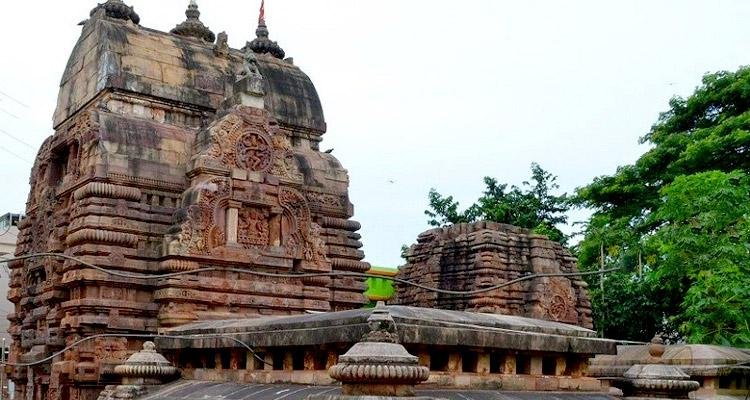
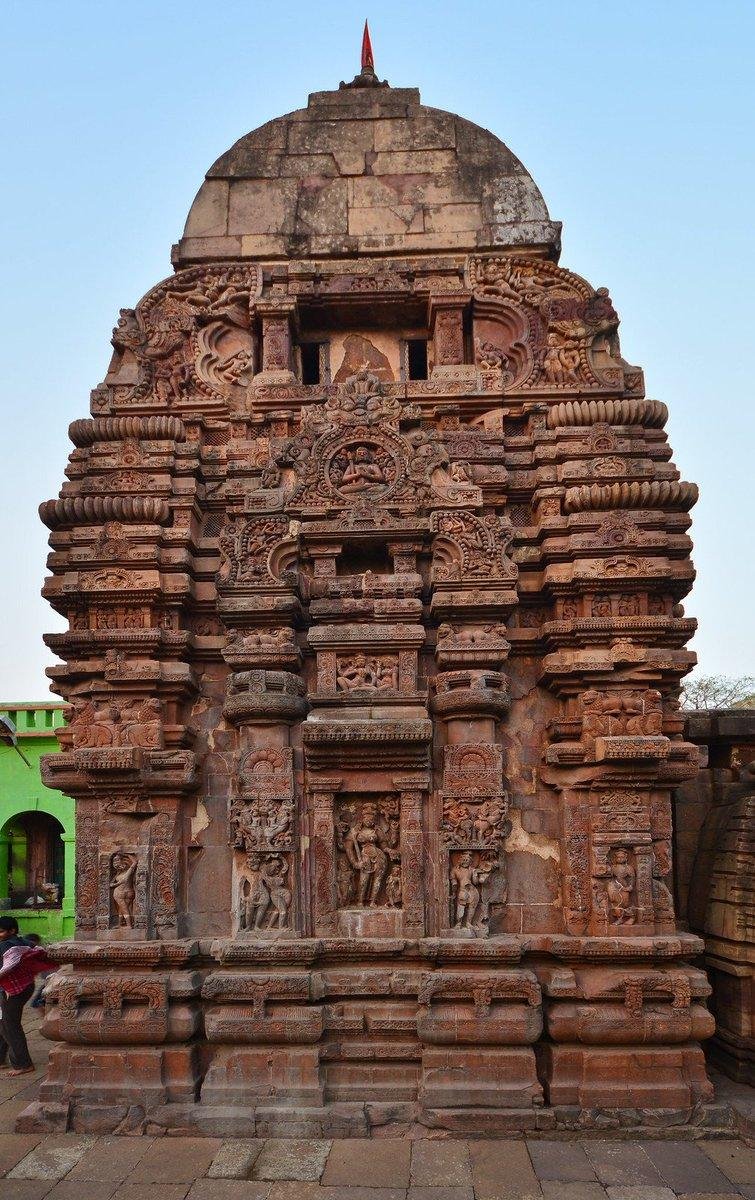
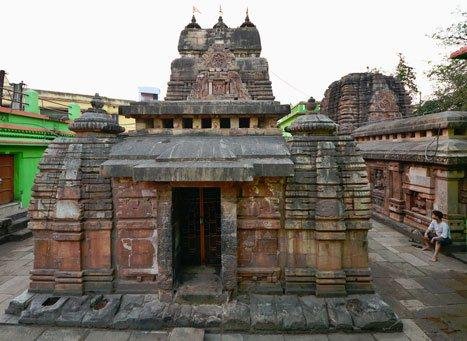
Deep within the ancient temple city of Bhubaneswar, Odisha, stands one of India’s most enigmatic shrines—the Vaital Deul, also known as the Tini Mundia Temple.
Built during the 8th century CE, this remarkable temple is among the finest surviving examples of Tantric architecture from the Kalinga dynasty. Unlike the soaring towers seen in most Odisha temples, Vaital Deul features a distinctive barrel-shaped roof that immediately sets it apart, reflecting its unique spiritual purpose.
The presiding deity is Goddess Chamunda, one of the fiercest manifestations of the Divine Mother.
At first glance, her terrifying appearance may seem intimidating.
She is depicted surrounded by symbols of death and transformation, reminding devotees that every spiritual journey requires the destruction of ego, ignorance, and fear before true wisdom can arise.
For Tantric practitioners, Chamunda is not a goddess of destruction alone—she is the compassionate force that liberates the soul from its deepest limitations.
ven today, Tantric rituals continue to be performed within this sacred temple according to ancient traditions that have survived for well over a thousand years.
The temple becomes particularly mysterious during Naraka Chaturdashi, the night preceding Deepavali.
On this occasion, access to the inner rituals has traditionally been highly restricted. Ancient accounts describe how advanced Tantric practitioners gathered to perform sacred ceremonies dedicated to Goddess Chamunda in complete spiritual discipline.
Although many traditional practices remain private, the deeper purpose of these rituals is often misunderstood.
Their objective is not to invoke darkness.
Rather, they symbolize the transformation of the darkness that already exists within the human mind.
Fear becomes courage.
Ignorance becomes wisdom.
Attachment becomes liberation.
This is the true message of Chamunda.
Vaital Deul is therefore not a temple that celebrates fear—it is a temple that teaches humanity how to transcend it.
4. Eklingji Temple, Rajasthan – The Sacred Seat of Healing Shiva
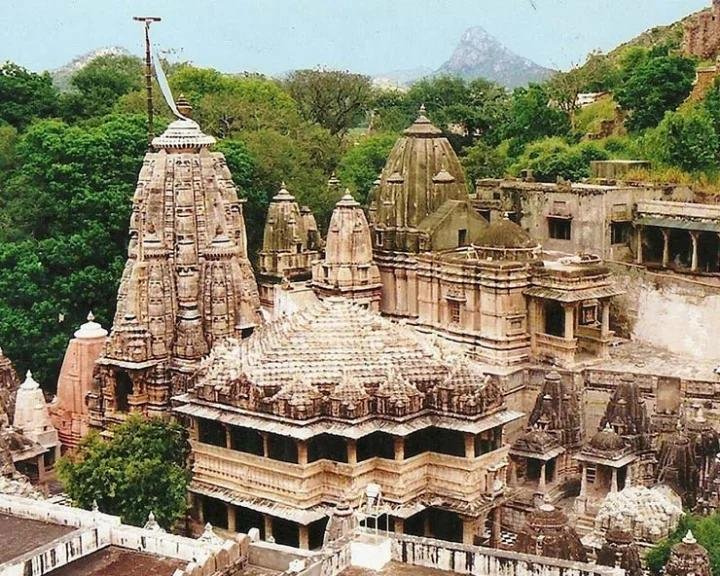
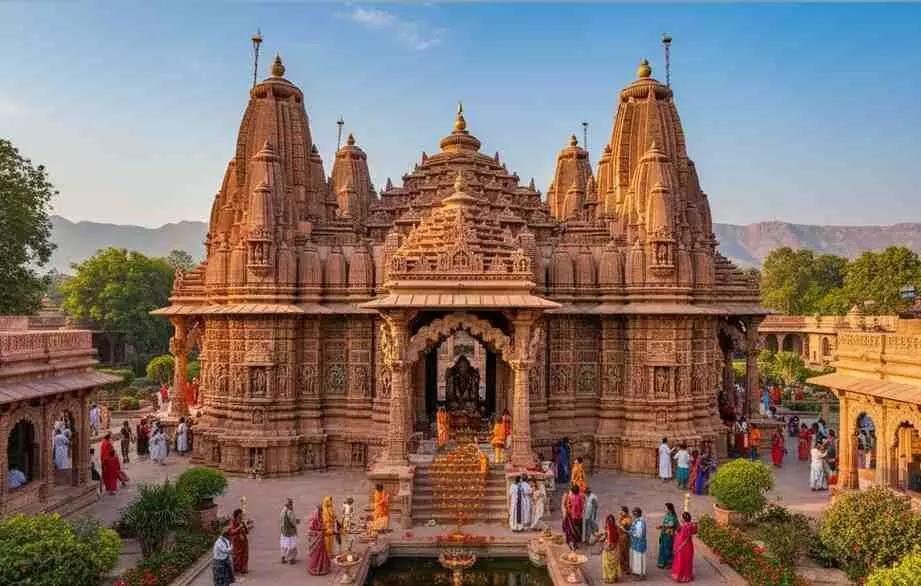
Nestled amidst the Aravalli Hills, about twenty kilometers north of Udaipur, lies one of Rajasthan’s most revered Shaivite temples—the magnificent Eklingji Temple.
Originally established in 728 CE by the legendary ruler Bappa Rawal, the temple has served as the spiritual heart of the Mewar kingdom for centuries.
Constructed from granite and sandstone, the complex radiates timeless elegance while preserving a profound atmosphere of devotion.
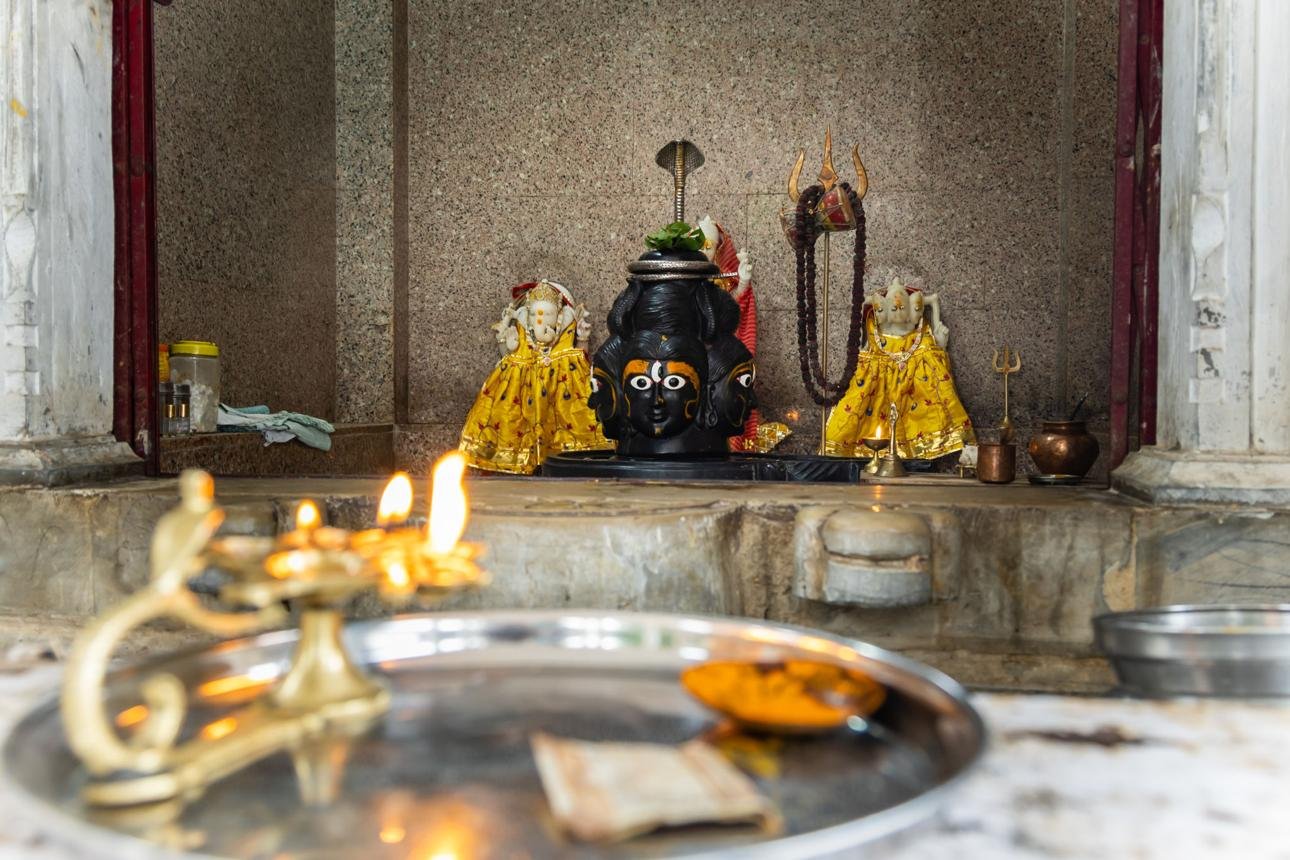
At its center stands an extraordinary black marble Shiva Linga approximately three feet tall.
Unlike ordinary lingas, this sacred form possesses four faces, each representing one of the cardinal directions and symbolizing Shiva’s all-pervading presence throughout the universe.
For Tantric practitioners, Eklingji is far more than an architectural masterpiece.
It is a place where Shiva is worshipped as the Divine Healer.
The Shiva Who Heals Body, Mind, and Spirit
Generations of devotees have believed that the spiritual vibrations of Eklingji possess remarkable healing energy.
Pilgrims visit not only to seek blessings but also to pray for relief from physical suffering, emotional distress, and mental turmoil.
Ancient traditions associated with the temple emphasize harmony between the body, mind, and consciousness.
The sacred waters flowing through the complex have long been regarded by devotees as spiritually purifying, while the temple’s rituals remind seekers that true healing begins within.
Certain Tantric traditions also interpret Shiva here as the embodiment of the five universal principles through which consciousness evolves.
These teachings are symbolic pathways for inner realization rather than external rituals.
For sincere seekers, Eklingji represents a profound union of devotion, meditation, and spiritual awakening.
5. Mehandipur Balaji Temple, Rajasthan – Where Faith Confronts Fear
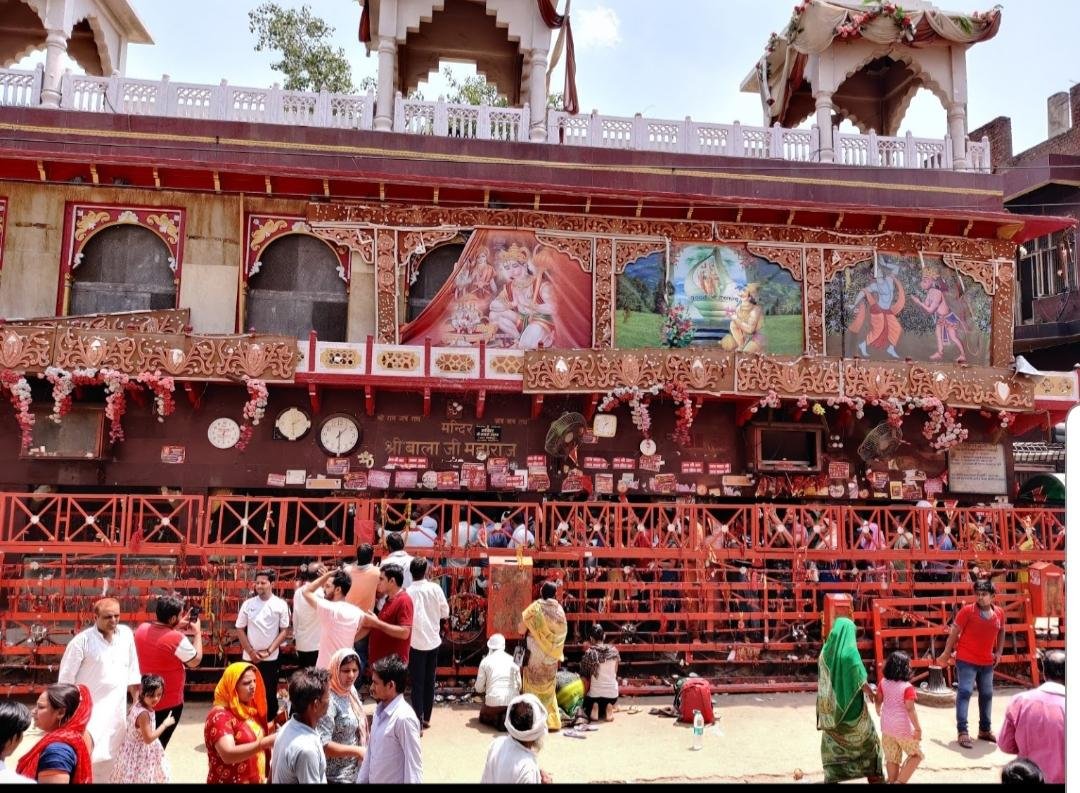
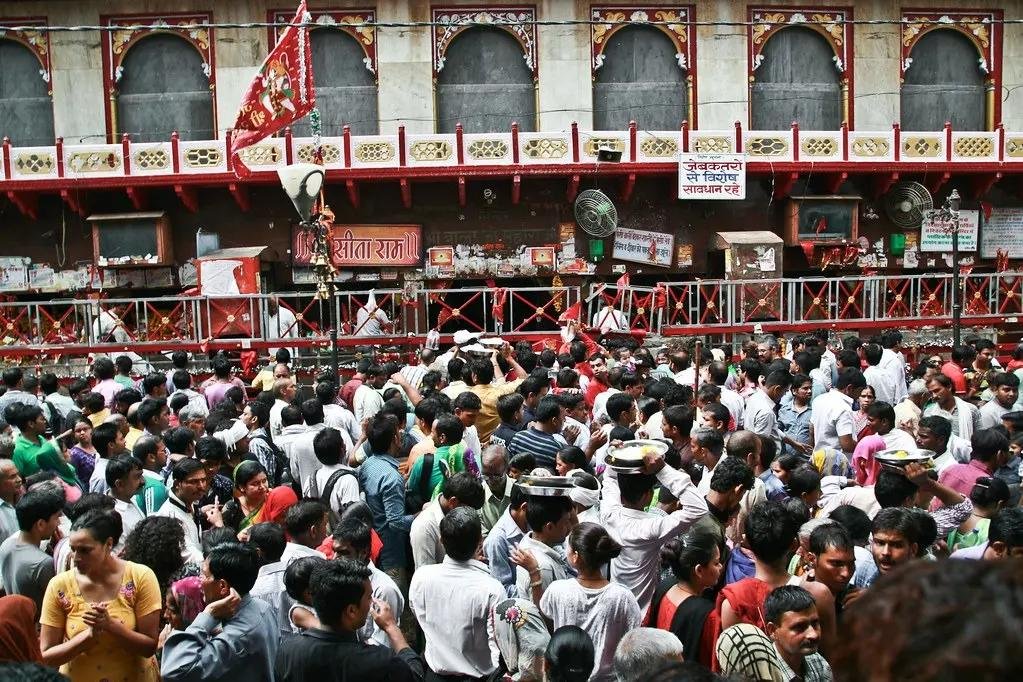
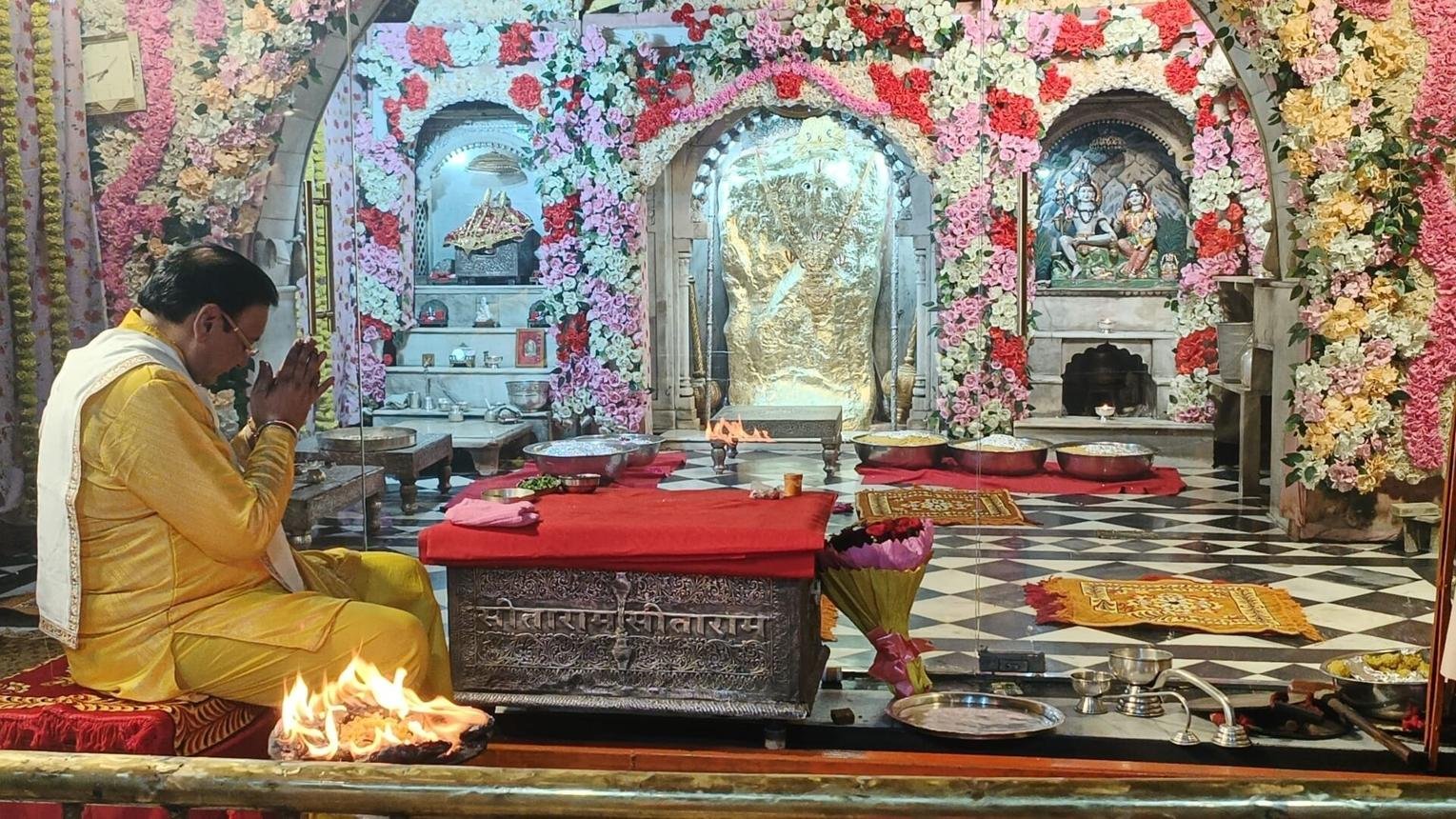
Among India’s most unusual pilgrimage destinations, few places inspire as much curiosity as the Mehandipur Balaji Temple in Rajasthan’s Dausa district.
Dedicated to Lord Hanuman, who is worshipped here as Balaji, this temple has become renowned for prayers seeking relief from fear, emotional distress, and what devotees perceive as negative spiritual influences.
Unlike most Hindu temples filled with devotional music and ringing bells, the atmosphere here is strikingly different.
The sounds that often echo through the temple complex are intense prayers, emotional cries, and heartfelt appeals from devotees seeking divine intervention.
For first-time visitors, the experience can be overwhelming.
Yet for believers, these scenes represent unwavering faith in Hanuman’s protective grace.
A Temple of Liberation
Over many decades, Mehandipur Balaji has become one of India’s most visited temples for people searching for spiritual strength during times of suffering.
Daily rituals emphasize surrender to Lord Hanuman, whose courage and unwavering devotion symbolize the victory of light over darkness.
While sensational stories often surround the temple, its deeper spiritual message remains remarkably simple:
No force is greater than sincere faith.
No fear is beyond transformation.
No darkness can survive where divine grace is truly welcomed.
For countless devotees, Mehandipur Balaji is not merely a place of worship.
It is a sanctuary where hope is restored and inner courage is rediscovered.
6. Chausath Yogini Temple, Madhya Pradesh – The Circle of Sixty-Four Divine Energies
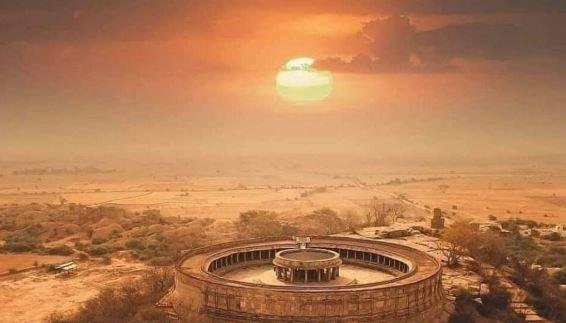
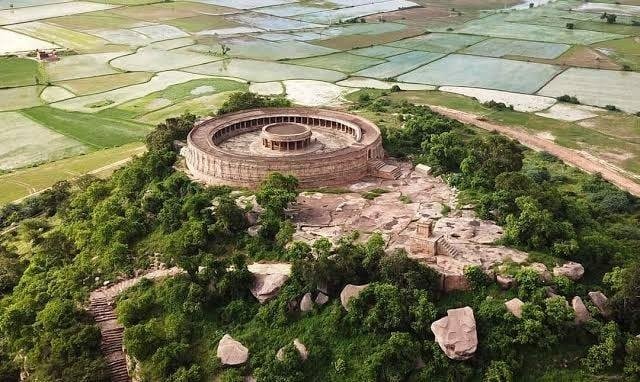
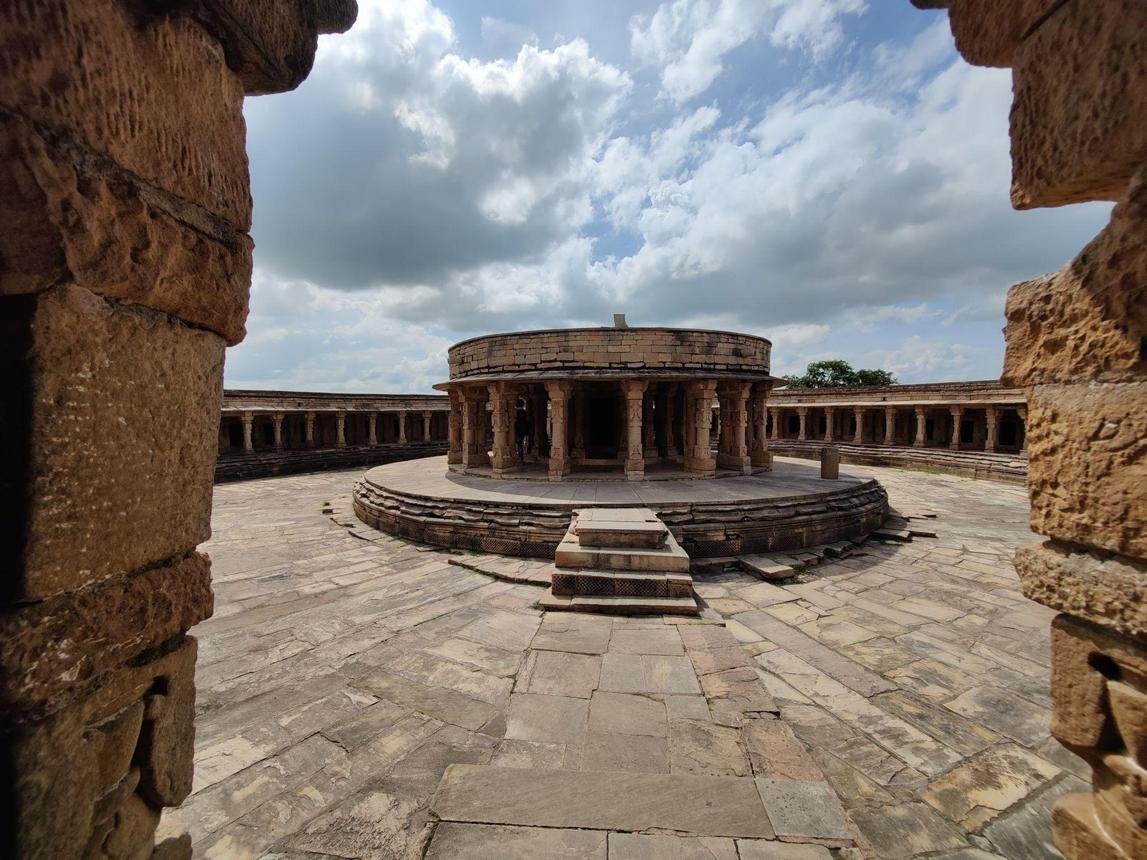
Standing on a rocky hill near the world-famous temples of Khajuraho in Madhya Pradesh is one of India’s oldest and most fascinating Tantric shrines—the Chausath Yogini Temple.
Built during the 9th century CE by the Chandela rulers, this remarkable monument is unlike any conventional Hindu temple. Instead of a towering sanctum, visitors encounter a vast circular courtyard surrounded by dozens of stone shrines, each once dedicated to one of the Sixty-Four Yoginis.
The Yoginis occupy a unique place in Tantric philosophy.
They are not merely individual goddesses.
Together, they represent sixty-four distinct manifestations of cosmic consciousness, each symbolizing different aspects of spiritual power, wisdom, intuition, protection, creativity, and transformation.
For advanced practitioners, the Yoginis embody the limitless possibilities hidden within the human mind.
The Temple That Inspired a Nation’s Architecture
One of the most fascinating theories surrounding this temple concerns its architecture.
Its perfectly circular design has led several historians to suggest that it influenced the circular layout of India’s Parliament building. Although scholars continue to debate the extent of this influence, the similarity remains one of the temple’s most intriguing architectural discussions.
According to ancient tradition, this was once a center where higher Tantric knowledge was taught to dedicated disciples.
Meditation performed within the circular enclosure was believed to harmonize the practitioner’s inner energies with the universal forces represented by the Yoginis.
Even today, spiritual seekers from around the world visit the temple to meditate in its peaceful atmosphere.
They believe that the silence itself carries echoes of an ancient wisdom that has survived for more than a thousand years.
The Chausath Yogini Temple is therefore far more than an archaeological monument.
It is a sacred reminder that true spiritual power emerges when every aspect of human consciousness comes into harmony.
7. Kal Bhairav Temple, Ujjain – The Guardian of Time and Transformation
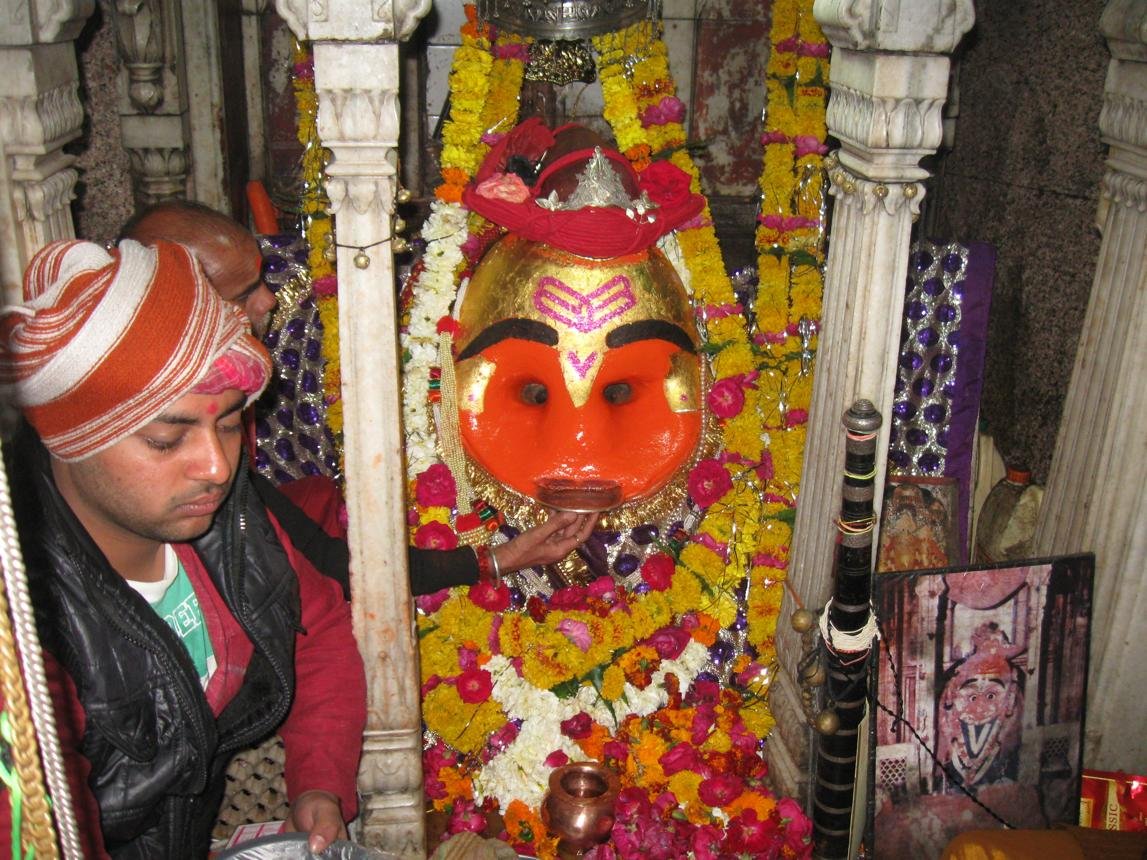
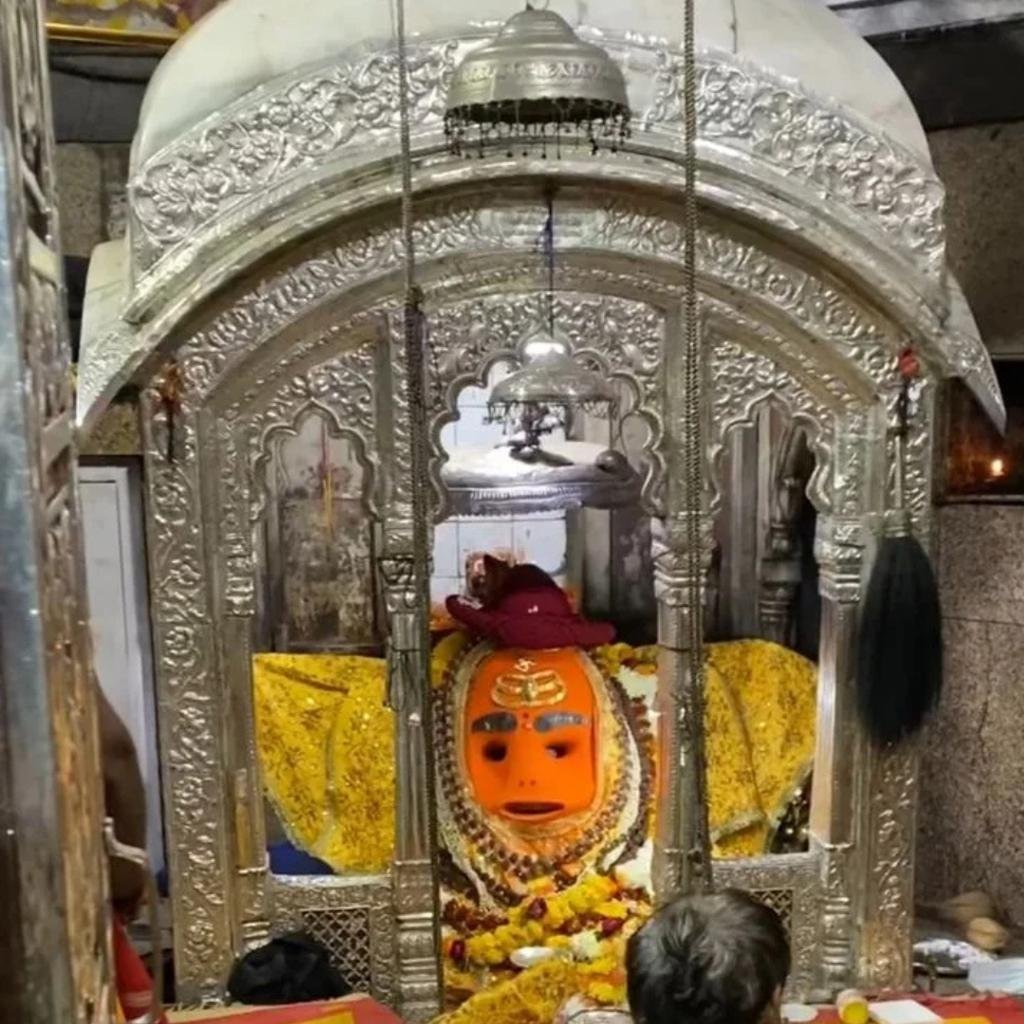
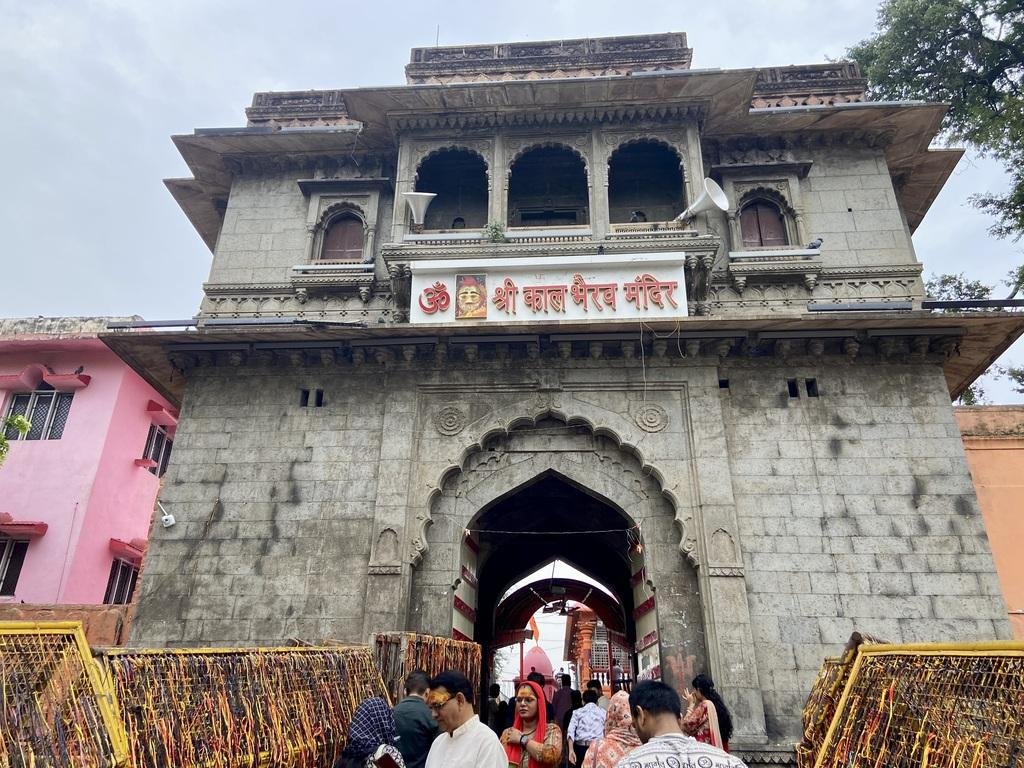
Just outside the ancient city of Ujjain, on the banks of the sacred Kshipra River, stands one of the most unusual Shiva temples in India—the revered Kal Bhairav Temple.
Dedicated to Kal Bhairava, the fierce guardian form of Lord Shiva, the temple has been associated with Tantric traditions for centuries. Ancient scriptures describe Bhairava as the protector of sacred knowledge and the destroyer of ignorance.
Historically, this temple served as an important center for practitioners of certain Tantric traditions.
Many rituals were conducted here in strict accordance with Agamic traditions under the guidance of qualified spiritual teachers.
Over time, the temple gradually opened its doors to the wider public, allowing devotees from every background to seek Bhairava’s blessings.
The Mystery of Bhairava’s Offering
Among the temple’s most famous customs is the traditional offering made to Lord Kal Bhairava.
Unlike the offerings commonly presented in many Hindu temples, Bhairava is traditionally offered a unique sacred libation as part of longstanding ritual practices. This distinctive custom has fascinated pilgrims, historians, and researchers for generations.
Yet the symbolism behind this offering is often overlooked.
In Tantric philosophy, Bhairava represents the power that transforms negativity into wisdom.
He is the force that destroys fear—not by avoiding it, but by helping the seeker confront it directly.
For this reason, devotees do not approach Kal Bhairava merely to ask for material blessings.
They seek courage.
They seek protection.
They seek freedom from the fears that bind the human mind.
Kal Bhairava teaches that every ending is the beginning of a higher awakening.
8. Jwala Devi Temple, Himachal Pradesh – The Eternal Flame of Divine Power
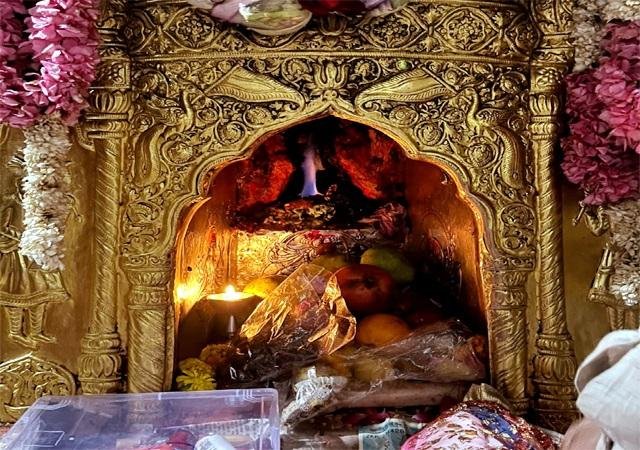
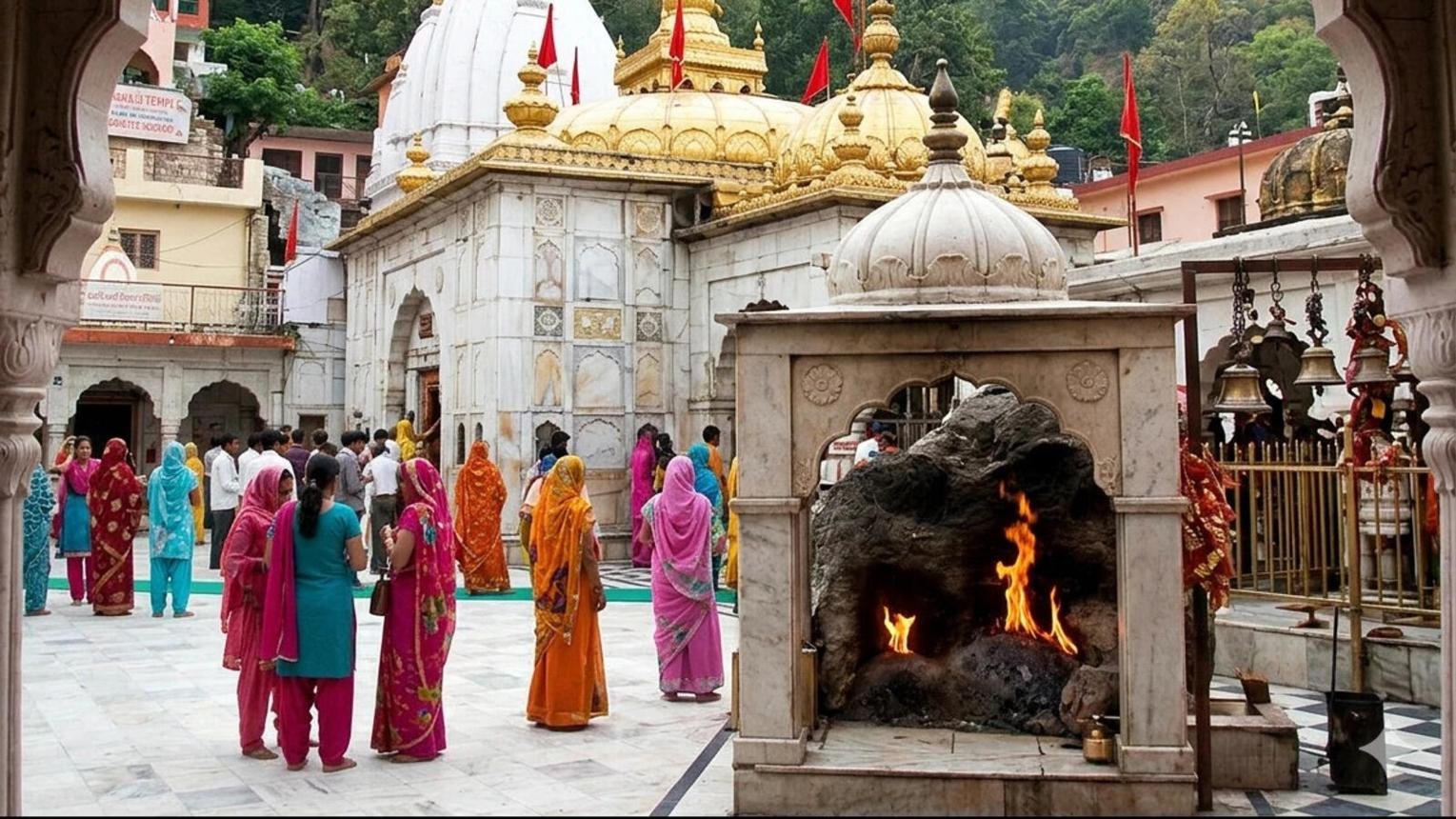
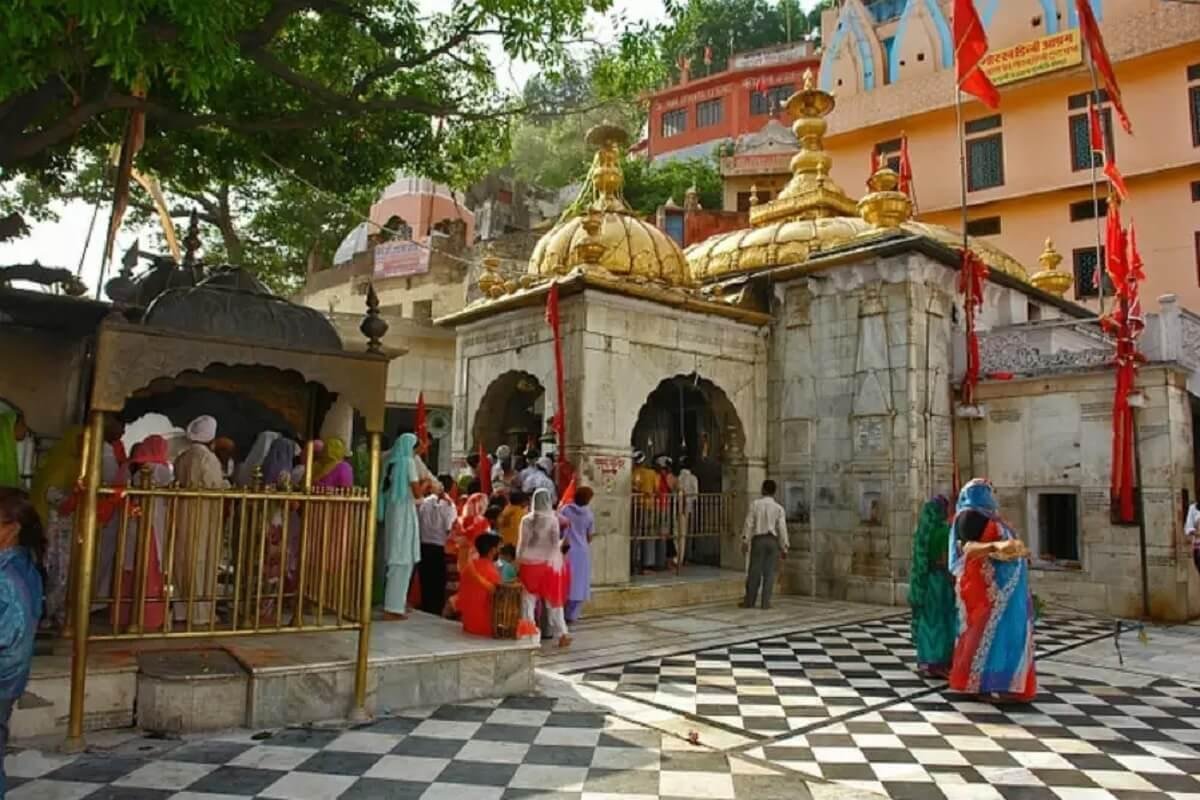
High in the hills of Kangra District in Himachal Pradesh burns a flame that has fascinated pilgrims for centuries.
This is the sacred Jwala Devi Temple, also known as Jwalamukhi Shakti Peetha.
Unlike almost every other Hindu temple, there is no conventional idol inside the sanctum.
Instead, devotees worship natural flames emerging directly from fissures within the rock.
These flames have burned continuously for generations, making the temple one of India’s most extraordinary pilgrimage sites.
According to sacred tradition, the flames are a direct manifestation of the Divine Mother herself.
For devotees, they represent the eternal fire of spiritual consciousness that never fades.
The Fire That Never Sleeps
Another remarkable feature of the temple is a sacred water tank that appears to be boiling.
Surprisingly, pilgrims who touch the water often find it cool rather than scalding, adding to the temple’s aura of mystery.
The temple also preserves sacred geometric symbols known as Yantras, which continue to play an important role in traditional worship.
These yantras are revered not merely as artistic designs but as symbolic representations of cosmic energy.
For spiritual seekers, the eternal flame of Jwala Devi carries a profound message.
Just as the sacred fire burns continuously through every season, the light of divine consciousness also remains alive within every human being.
The challenge is not to create that light.
It is to awaken it.
9. Baijnath Temple, Himachal Pradesh – A Living University of Tantric Wisdom
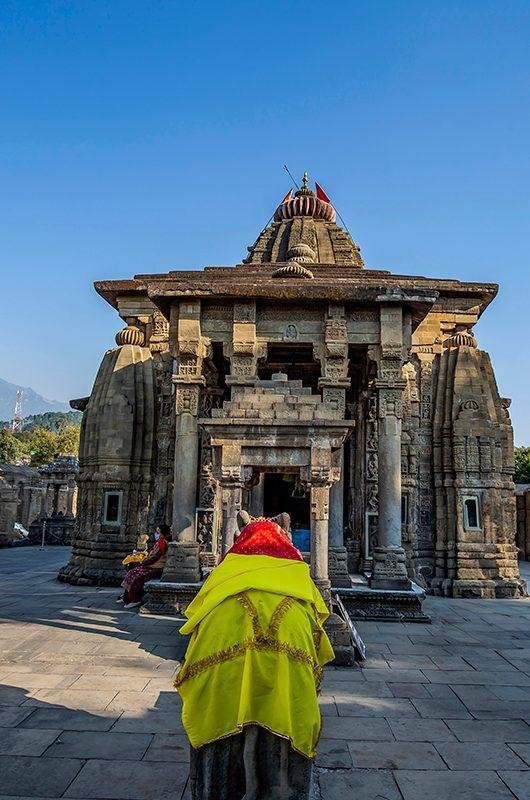
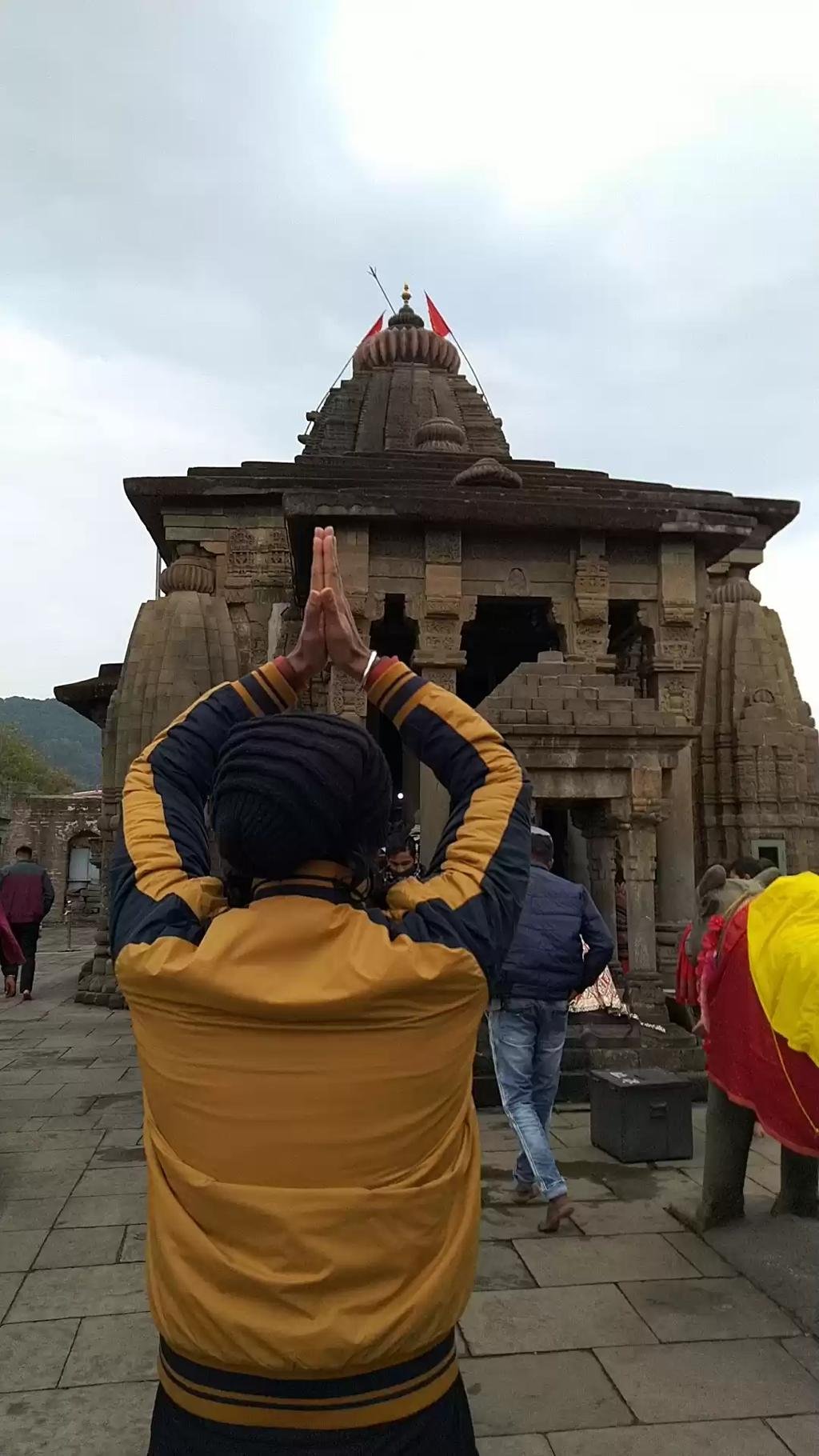
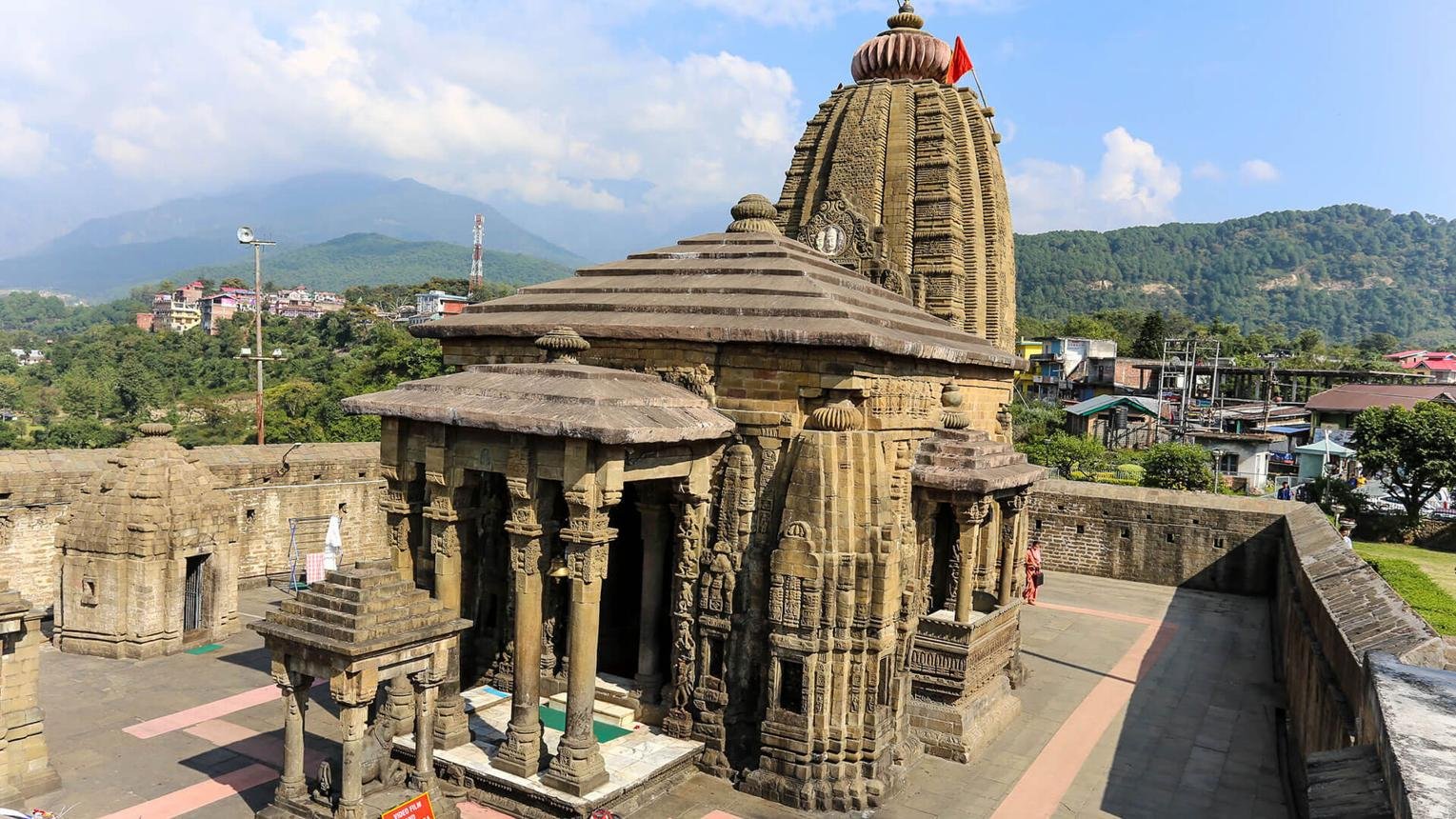
Nestled amidst the breathtaking valleys of Kangra District, Himachal Pradesh, the ancient Baijnath Temple has stood as one of India’s most revered shrines of Lord Shiva for more than eight centuries.
Located about sixteen kilometers from the Pathankot–Mandi highway, the temple was built in 1204 CE by two merchant brothers, Ahuka and Manyuka, whose devotion gave rise to one of the Himalayas’ most enduring spiritual landmarks.
While countless devotees visit Baijnath seeking Lord Shiva’s blessings, the temple has long held a special place in India’s Tantric traditions.
According to ancient beliefs, the presence of Mahakali is also subtly experienced within this sacred space, symbolizing the inseparable union of Shiva and Shakti—pure consciousness and divine energy.
It is this union that forms the very foundation of authentic Tantra.
Where Ancient Masters Continued Their Spiritual Journey
For generations, Baijnath has attracted accomplished Tantric practitioners, ascetics, and seekers devoted to higher spiritual disciplines.
Many traditions describe the temple as a place where disciples received Diksha (spiritual initiation) from realized masters before dedicating their lives to disciplined spiritual practice.
In these traditions, Lord Shiva is not worshipped merely as the destroyer.
He is revered as Adi Guru, the original teacher who revealed the science of Tantra to humanity.
The temple therefore represents far more than an architectural monument.
It is regarded as a living center of spiritual learning, where devotion, meditation, and inner transformation merge into a single path.
The Hidden Connection Between the Nine Temples
At first glance, these nine temples appear to be scattered across different corners of India.
One honors the Divine Mother.
Another is dedicated to Shiva.
Some celebrate Bhairava.
Others revere Hanuman or the Yoginis.
Yet beneath these outward differences lies a profound spiritual unity.
Each temple represents a different doorway into the same timeless truth.
Together, they symbolize the gradual awakening of human consciousness.
From the creative energy of Kamakhya…
To the fierce compassion of Kali…
To the transformative wisdom of Chamunda…
To the healing presence of Shiva…
To the fearless devotion of Hanuman…
To the cosmic energies of the Sixty-Four Yoginis…
To the fearless protection of Kal Bhairava…
To the eternal flame of Jwala Devi…
And finally, to the perfect union of Shiva and Shakti at Baijnath…
Each shrine reveals another step in humanity’s spiritual evolution.
These temples are not merely sacred destinations.
They are milestones along the journey toward self-realization.
What Tantra Really Means
Perhaps the greatest misunderstanding about Tantra is that it is associated solely with secret rituals or supernatural powers.
The ancient masters taught something entirely different.
Tantra does not ask us to escape the world.
It teaches us to transform ourselves while living within it.
Its purpose is not to control others.
Its purpose is to master one’s own mind.
Its goal is not to obtain extraordinary powers.
Its goal is to awaken extraordinary awareness.
Authentic Tantra is not darkness.
It is the path that leads through darkness toward light.
It does not encourage fear.
It dissolves fear.
It does not glorify destruction.
It transforms ignorance into wisdom.
As the ancient Tantric tradition reminds us, Shiva without Shakti is inactive consciousness, while Shakti without Shiva is directionless energy.
Only when the two become one does true spiritual awakening occur.
Conclusion: The Greatest Temple Lies Within
India’s nine great Tantric temples continue to inspire millions of pilgrims, scholars, and seekers every year.
Their magnificent architecture, sacred rituals, and timeless legends remind us of a spiritual heritage that has endured for centuries.
Yet every one of these temples ultimately points toward a deeper truth.
The real pilgrimage is not measured by the distance we travel across mountains, forests, or rivers.
It is measured by the distance we travel within ourselves.
The hidden power sought by every Tantric practitioner is not buried beneath ancient stones.
It already rests within the human heart.
When ignorance gives way to wisdom…
When fear gives way to courage…
When ego gives way to surrender…
The inner temple awakens.
That is the true meaning of Tantra.
That is the eternal union of Shiva and Shakti.
And that is the timeless message preserved within the sacred Tantric temples of India.