
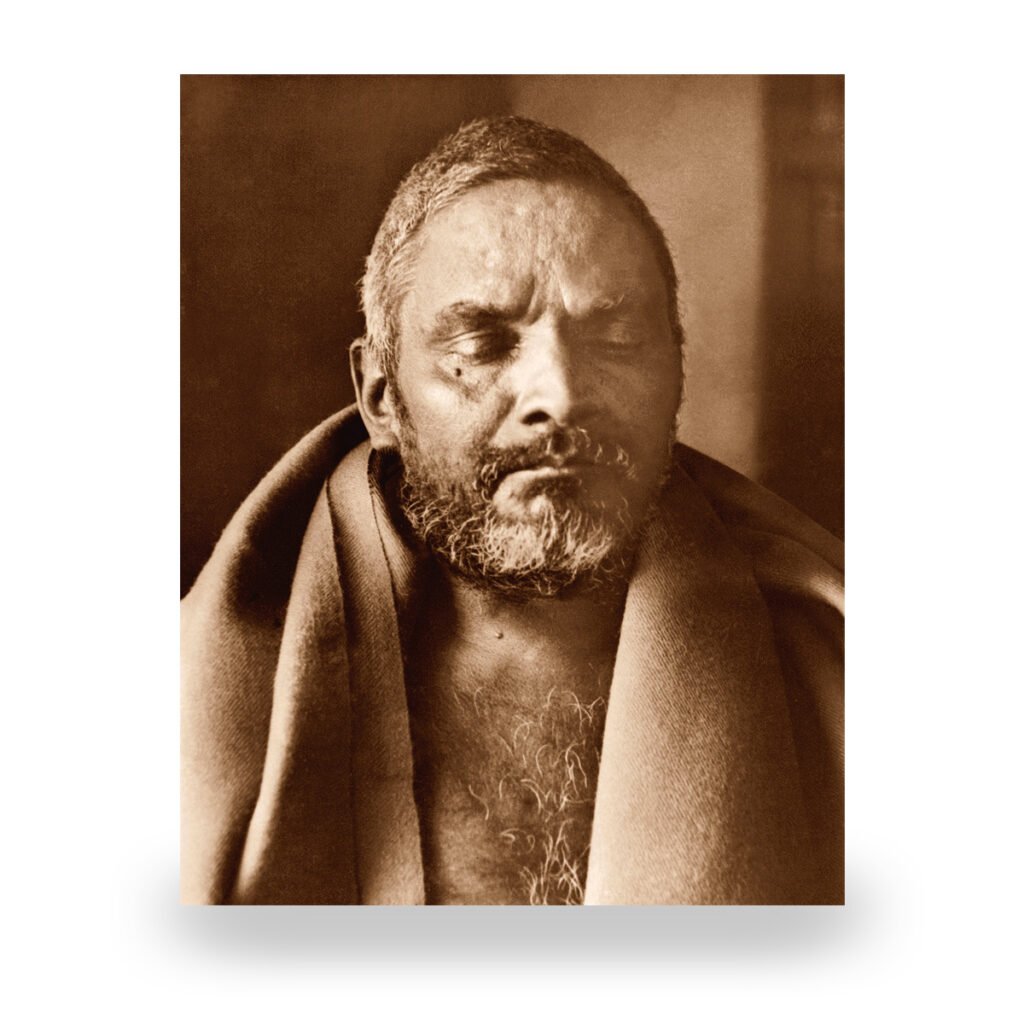


Pamban Swamigal’s 35-Day Penance: How Lord Murugan Became His Divine Guru
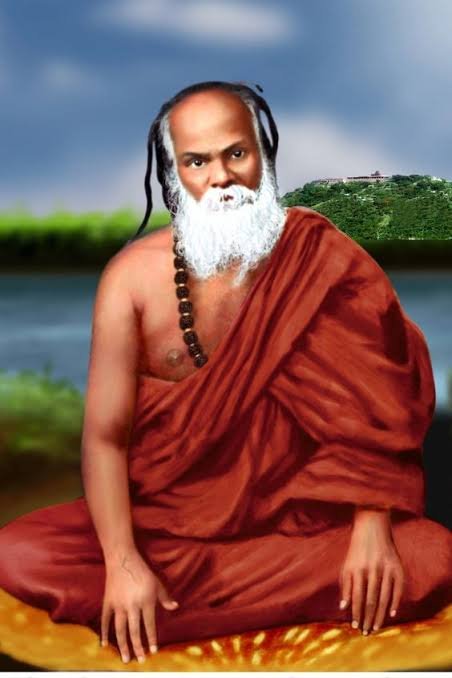
Pamban Swamigal's 35-Day Penance: The Extraordinary Tapas That Brought Lord Murugan Face-to-Face
Can a Human Being See God with Their Physical Eyes?
For countless generations, devotees have asked the same question.
Can unwavering devotion truly bring God before us?
Many saints have sung of divine visions.
Many yogis have spoken of mystical experiences.
But among them stands one extraordinary Siddhar whose life offers one of the most remarkable answers.
A saint who was not initiated by any human guru.
A devotee whose Guru was none other than Lord Murugan Himself.
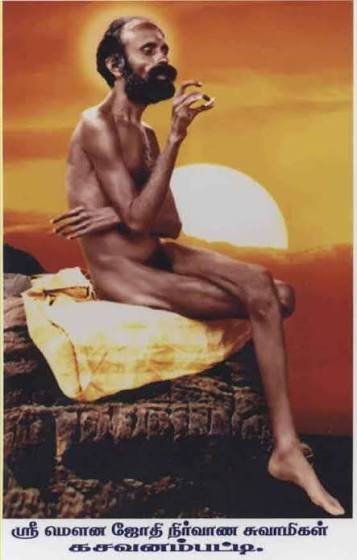
That saint was Pamban Swamigal.
His life was not built upon miracles.
It was built upon absolute surrender.
An unwavering determination.
And a 35-day penance so intense that it continues to inspire spiritual seekers more than a century later.
What challenges did he face during those thirty-five days?
Why did he choose to meditate inside a cremation ground?
How did Lord Murugan finally reveal Himself?
Let us journey into one of the most extraordinary chapters in the history of Tamil spirituality.
A Devotee Who Desired Nothing but Murugan
Pamban Swamigal reached a point in his spiritual life where worldly achievements no longer held any meaning.
Neither fame.
Nor wealth.
Nor comfort.
His heart desired only one blessing.
To behold Lord Murugan directly.
This was not merely a wish.
It became the very purpose of his existence.
He resolved that until he experienced Murugan’s divine presence, his life would remain incomplete.
Such determination demanded complete renunciation—not necessarily of family life, but of every distraction that stood between the devotee and the Divine.
Why He Chose Pirappan Valasai
To undertake such an intense spiritual discipline, Pamban Swamigal searched for the right place.
His choice surprised many.
He selected Pirappan Valasai, a quiet coastal village in present-day Ramanathapuram district.
Today it is revered as one of the holiest places associated with Pamban Swamigal.
Although it appeared to be a simple fishing village, it possessed everything required for deep meditation.
Silence.
Isolation.
The rhythmic sound of the sea.
An atmosphere untouched by worldly distractions.
For Pamban Swamigal, the waves were not merely ocean sounds.
They were the breathing of the Divine.
Each wave became a reminder of Murugan’s presence.
Why a Cremation Ground Became His Temple
Traditionally, many Siddhars sought forests for meditation.
Pamban Swamigal chose differently.
He selected a cremation ground.
To ordinary minds, a cremation ground represents death.
To great yogis, it represents truth.
There, all social distinctions disappear.
Kings and beggars.
Scholars and ordinary people.
The wealthy and the poor.
Every human being ultimately arrives at the same destination.
The cremation ground teaches the greatest spiritual lesson:
Everything the world calls “mine” eventually disappears.
Only the soul continues its journey.
Because of this profound symbolism, Pamban Swamigal accepted the cremation ground as his sacred monastery.
It became the ideal place to conquer attachment, ego, and fear.
Preparing for the Great Tapas
With official permission from the district administration of that time, a simple meditation shelter was erected within the cremation ground.
At its center, devotees dug a square meditation pit known traditionally as a Nilavarai.
Before entering, Pamban Swamigal gathered his devotees one final time.
He blessed them.
Folded his hands before the assembled devotees.
And left them with a single instruction:
“Never forget Lord Kumaraguru (Murugan).”
Those words became both his farewell and his final teaching before beginning the great penance.
He then descended into the meditation chamber carrying only a simple yogic staff and complete faith in Murugan.
The Silence That Spoke to Heaven
Seated facing north, Pamban Swamigal entered deep meditation.
Outside, devotees continuously chanted Murugan’s sacred names.
Inside, the saint withdrew completely from the external world.
Days passed.
The sea continued its eternal song.
The wind carried the fragrance of salt across the cremation ground.
But Pamban Swamigal’s awareness remained fixed upon one name alone.
Murugan.
Nothing else existed.
The First Great Test
Spiritual traditions often describe that intense meditation is accompanied by profound inner and outer challenges.
According to accounts preserved in the life of Pamban Swamigal, a venomous snake entered the meditation chamber during the early days of his penance.
For most people, such an encounter would have ended the meditation immediately.
Pamban Swamigal never moved.
His mind remained completely absorbed in Murugan.
The snake quietly turned back and disappeared.
Fear had found no place within him.
Encounters with the Unseen
As the days progressed, even greater challenges arose.
Traditional biographies describe mysterious entities appearing around the meditation pit, attempting to disturb his concentration.
On another occasion, an immense unseen force reportedly tried to lift him from his seat.
Instead of panic, Pamban Swamigal responded with unwavering faith.
Holding firmly to his yogic staff, he invoked the sacred name of Murugan.
The disturbing presence gradually disappeared.
Whether understood literally or symbolically, these episodes represent a timeless spiritual truth:
Every sincere seeker must overcome fear before attaining higher realization.
“I Will Accept No Human Guru”
One night, a mysterious voice instructed him:
“Leave your meditation.”
Pamban Swamigal replied with extraordinary conviction.
He declared:
“I do not seek initiation from any human being. If there is higher wisdom meant for me, let Lord Murugan Himself grant it.”
This prayer revealed the depth of his surrender.
He desired nothing less than direct divine guidance.
The Young Ascetic Who Appeared
On the seventh night, an extraordinary vision unfolded.
A radiant young ascetic appeared before him.
His head was shaven.
He wore only a simple loincloth.
Beside him stood two ancient sages with matted hair.
The sages introduced Pamban Swamigal to the mysterious youth.
The young ascetic silently approached.
He applied sacred ash across the saint’s body.
Pointed toward the space between his eyebrows.
And whispered a profound spiritual instruction.
Without another word, the three luminous figures slowly disappeared into the distance.
Pamban Swamigal immediately understood.
This was no ordinary visitor.
It was Lord Murugan Himself appearing in the form of a youthful Guru.
From that moment onward, Murugan became not only his chosen deity—but also his Guru.
Thirty-Five Days That Changed Everything
The days continued.
One after another.
In complete silence.
Then came the thirty-fifth night.
Suddenly, an immense light descended from above.
The entire sky seemed filled with divine radiance.
According to traditional accounts, a celestial command instructed him to rise.
Even then, Pamban Swamigal refused.
He declared:
“I will rise only if my Lord Murugan commands me.”
Moments later, that very command came.
Only then did he emerge from the meditation chamber.
When he stepped outside, the village had gathered.
Although the moon illuminated the night sky, devotees felt that a greater light now shone from the saint himself.
He distributed sacred ash.
Blessed everyone present.
But those who looked into his eyes sensed something had changed forever.
He had entered the meditation pit as a devotee.
He emerged as a realized master.
Why This Tapas Was Extraordinary
Many saints have performed penance.
Yet Pamban Swamigal’s tapas remains unique for several reasons.
- He undertook it while still living the life of a householder.
- He chose a cremation ground as his meditation hall.
- He endured thirty-five days of intense spiritual discipline.
- Most importantly, he regarded Lord Murugan—not a human teacher—as his Guru.
This profound relationship became the foundation of all his later teachings and compositions.
Pirappan Valasai Today
Today, visitors to Pirappan Valasai may no longer see the original meditation pit exactly as it existed during Pamban Swamigal’s lifetime.
Time has changed the landscape.
But the sanctity remains.
Devotees continue to visit the place where one man’s unwavering devotion transformed an ordinary cremation ground into sacred history.
The physical footprints may have faded.
But the spiritual path he walked continues to guide countless seekers.
Final Reflection
Pamban Swamigal’s 35-day penance was not an attempt to perform miracles.
It was the complete surrender of a soul seeking nothing except God.
His life teaches that genuine spirituality is not measured by supernatural experiences.
It is measured by unwavering faith.
Fearless perseverance.
And unconditional love for the Divine.
For those who seek Lord Murugan with the same sincerity, Pamban Swamigal’s life offers a timeless reminder:
When devotion becomes absolute, the distance between the devotee and the Divine disappears.
The waves of Pirappan Valasai still whisper that eternal truth.
And in that silence, the grace of Murugan continues to call every sincere seeker home